Introduction
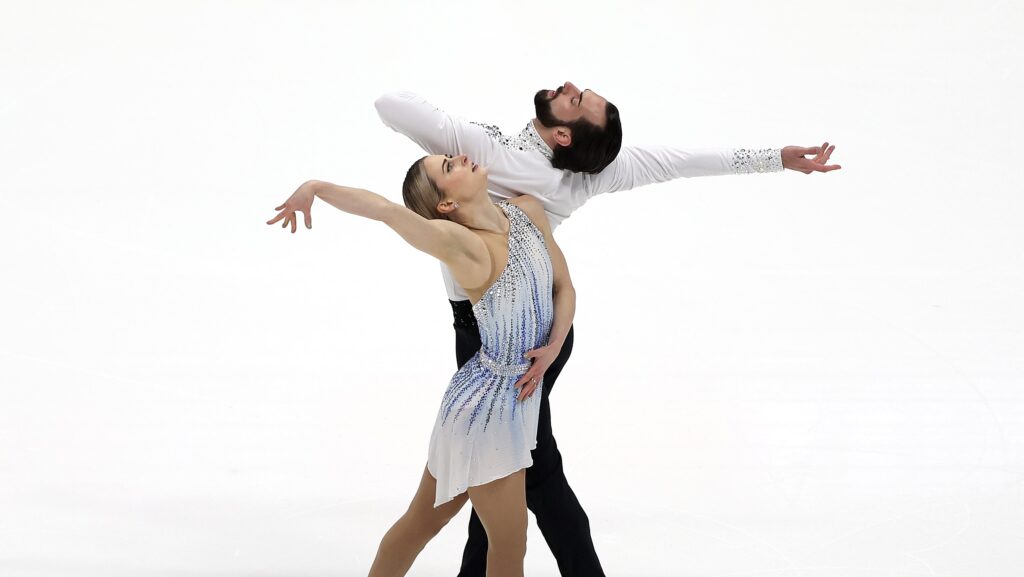
Ice dance, a captivating discipline within figure skating, has gained immense popularity during the Olympic Games, showcasing the artistry and athleticism of its competitors. As the next Winter Olympics approach, fans eagerly anticipate the performances that blend technical skill with musical interpretation. The significance of ice dance lies not only in its competitive spirit but also in its ability to unify cultures through the universal language of dance on ice.
The Evolution of Ice Dance
Ice dance made its Olympic debut as a medal sport in 1976, although it had been part of the figure skating landscape for decades prior. Over the years, the discipline has evolved significantly, incorporating diverse styles and movements that reflect contemporary trends in dance. Athletes now not only focus on technical elements such as twizzles and lifts but also emphasize storytelling and emotional connections with their audiences.
Current Landscape of Ice Dance
As of 2023, the world of ice dance is dominated by teams that have shown remarkable consistency and creativity. Notable among them are the reigning Olympic champions, Gabriella Papadakis and Guillaume Cizers, who have captured the hearts of audiences worldwide with their fluid performances and intricate choreography. Their performances at the 2022 Beijing Winter Olympics showcased not only their skill but also their ability to connect deeply with their music, overriding the coldness of the rink with warmth and emotion.
Additionally, emerging teams like Madison Hubbell and Zachary Donoghue have continued to impress with performances that combine classic elements and innovative techniques. The intense competition in this discipline has sparked a surge of creativity among skaters, pushing the boundaries of what is possible on ice.
Upcoming Events and Expectations
With the next Winter Olympics set to take place in 2026 in Milan-Cortina, Italy, anticipation is building for what promises to be a thrilling showcase of ice dance talent. Fans can expect to see a blend of veterans and newcomers looking to make their mark on the Olympic stage. As training intensifies, the competition will continue to evolve, further blurring the lines between sport and art.
Conclusion
Ice dance remains a crucial component of Olympic figure skating, attracting millions of viewers and inspiring future generations of skaters. As we look forward to future events, the combination of athletic prowess and artistic expression in ice dance will undoubtedly continue to enchant audiences around the world. Whether you are a longtime fan or a new enthusiast, the upcoming competitions promise to deliver unforgettable moments as the world’s best ice dancers take the stage.