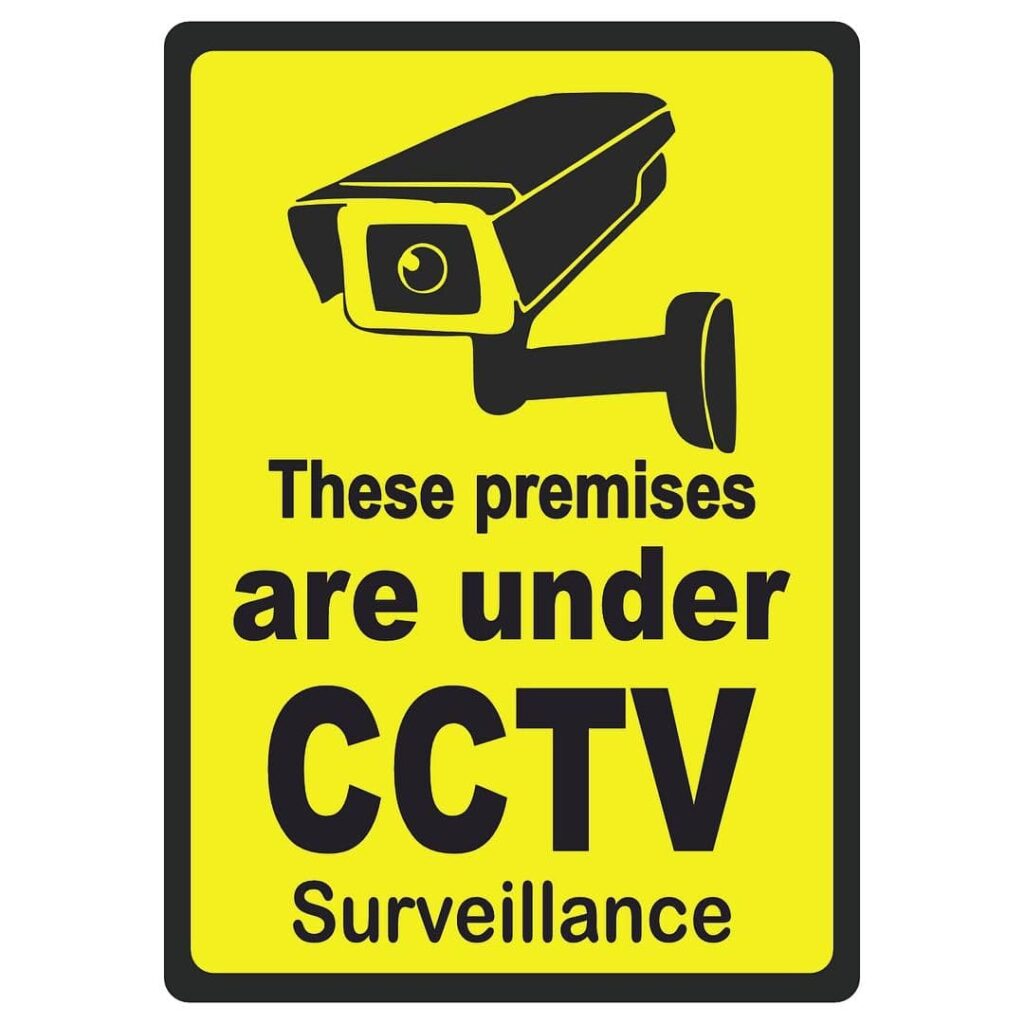
Introduction to CCTV Surveillance
CCTV, or closed-circuit television, has become an integral part of security systems globally. With the rise of technology and increasing concerns over crime rates, CCTV cameras are increasingly utilized in public spaces, businesses, and residences to ensure safety and deter unlawful activities. The relevance of CCTV has been magnified in the wake of heightened security needs in urban areas and amidst global concerns regarding safety and privacy.
Current Trends and Developments
Recent advancements in CCTV technology have led to enhanced features such as high-definition video recording, motion detection, and intelligent analytics. Industry reports indicate that the global CCTV market is expected to grow significantly, with projections showing an increase from $18.6 billion in 2022 to over $27 billion by 2027. This growth is fueled by increasing urbanization, the prevalence of crime, and the growing demand for effective surveillance solutions.
CCTV in Canada
In Canada, the implementation of CCTV surveillance is witnessed across diverse sectors including retail, transportation, and public safety. For instance, cities like Toronto and Vancouver have deployed extensive CCTV networks to bolster law enforcement and manage public safety. Additionally, recent legislation has also focused on regulating the use of surveillance to balance security with privacy concerns, being mindful of the potential misuse of collected data.
Significance for Businesses and Individuals
CCTV systems provide reassurance and greater preventive control against theft, vandalism, and other criminal activities for businesses. Furthermore, having CCTV footage can be vital for investigations and can serve as crucial evidence in legal disputes. For individuals, the presence of CCTV cameras in neighborhoods can enhance feelings of security, encouraging community collaboration and engagement against crime.
Conclusion
As society embraces technology for security solutions, CCTV will undoubtedly remain a pivotal component amidst evolving security landscapes. The balance between safety and privacy will continue to be an essential area of discussion as stakeholders navigate the implications of increased surveillance. Future developments are likely to include smarter technologies, integrating artificial intelligence to enhance monitoring capabilities and ensuring that CCTV systems adapt to the changing dynamics of urban life.