Introduction
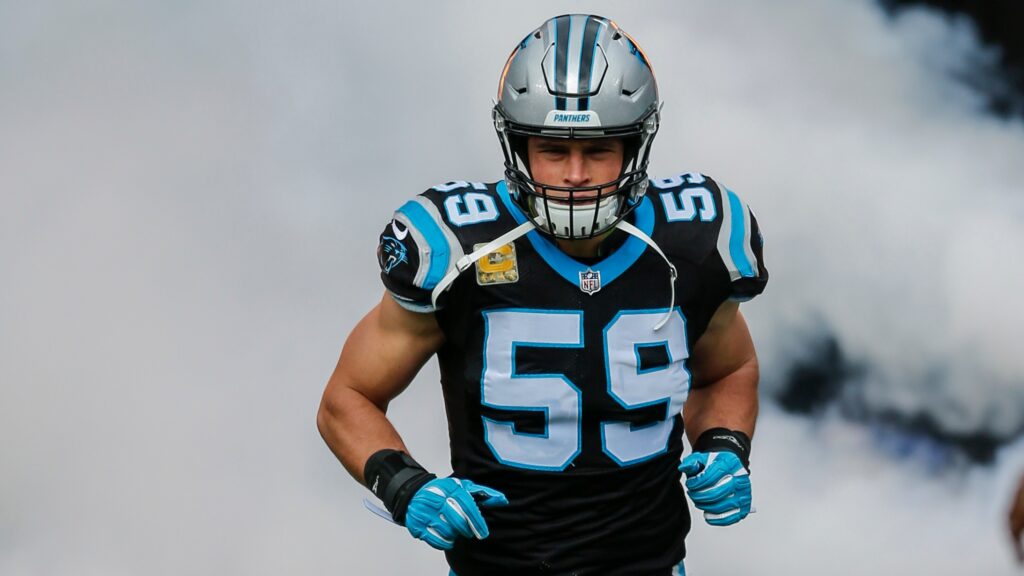
Luke Kuechly, a name synonymous with excellence in the National Football League (NFL), has solidified himself as one of the greatest linebackers in the history of the sport. Drafted by the Carolina Panthers in 2012, his agility, intelligence, and sheer determination not only led his team to success but also changed how linebackers are perceived in professional football. Kuechly’s career, unfortunately cut short by injury, continues to resonate with fans and aspiring players alike, emphasizing the significance of mental health in athletics.
Career Highlights
Kuechly quickly made a name for himself, winning the NFL Defensive Rookie of the Year award in 2012. Over his eight seasons, he achieved numerous accolades, including three consecutive NFL Defensive Player of the Year awards from 2013 to 2015. He was named to the Pro Bowl five times and was recognized as a First-Team All-Pro in each of his first five seasons. His ability to read plays, combined with his leadership on the field, made him an invaluable asset to the Panthers, leading them to Super Bowl 50 in 2015.
Retirement and Legacy
In January 2020, Kuechly shocked the sports world by announcing his retirement at the young age of 28. He cited concerns over the long-term impacts of concussions and head injuries as his main reason for stepping away from the game. His decision sparked discussions around player safety, mental health, and the overall culture surrounding contact sports. Kuechly’s retirement did not diminish his legacy; instead, it brought a spotlight to critical issues within the league.
Impact Beyond the Field
Off the field, Kuechly has been active in charitable work, supporting initiatives aimed at promoting healthy lifestyles and mental well-being. The Luke Kuechly Foundation, established to give back to the community, emphasizes the importance of education and health. This focus on holistic well-being underscores Kuechly’s dedication not just to football, but to positively impacting lives.
Conclusion
Luke Kuechly’s influence over the NFL extends beyond his impressive stats and accolades. His early retirement has ignited meaningful conversations about player safety and mental health in professional sports. As the NFL continues to evolve, Kuechly’s legacy serves as a reminder of the pressing need to prioritize athletes’ well-being along with the excitement of the game. The lessons learned from his career will likely guide the future of the sport, ensuring that players are not only champions on the field but also in their personal lives.