Introduction
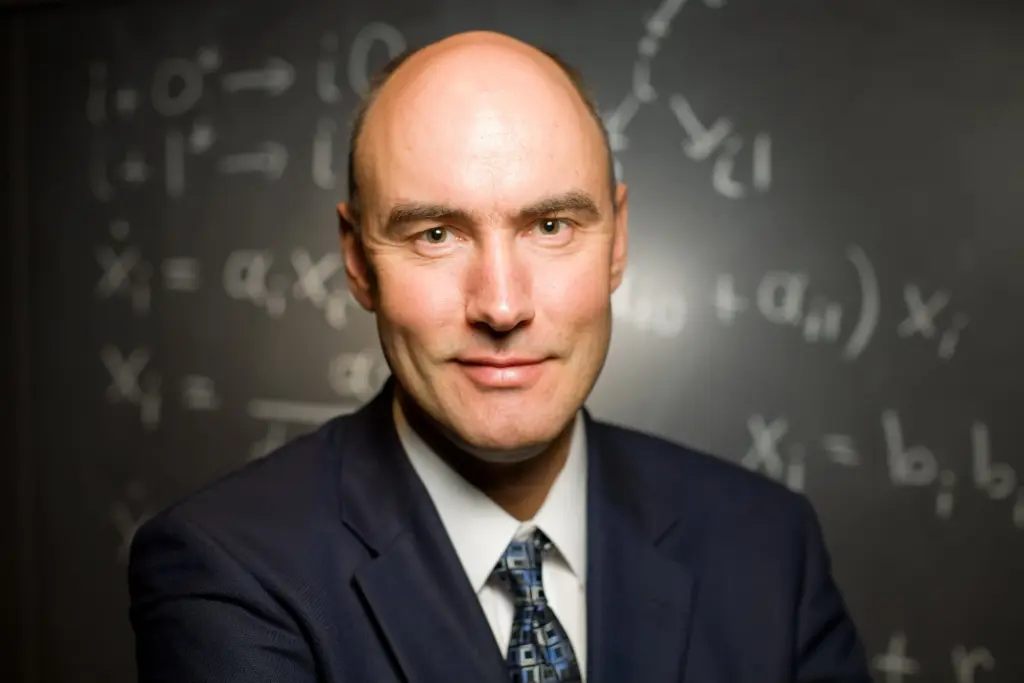
Martin Nowak is a prominent figure in the field of evolutionary dynamics, having made significant contributions to our understanding of the evolutionary processes that shape life on Earth. As a professor at Harvard University and director of the Program for Evolutionary Dynamics, his work integrates mathematics, biology, and social science, providing valuable insights into the mechanisms of evolution. The relevance of Nowak’s research extends beyond academia; it influences fields such as epidemiology, economics, and artificial intelligence, showcasing the interconnectedness of evolutionary principles.
Contributions to Evolutionary Theory
Nowak’s research addresses fundamental questions about evolution and cooperation. One of his primary contributions is the exploration of the evolutionary dynamics of cooperation in biological systems. His work has demonstrated how cooperative behaviors can evolve under different conditions and what mathematical models accurately describe these processes. In 2004, he published a key paper on the “prisoner’s dilemma” and its implications for understanding cooperation among individuals, which has been highly influential in various disciplines.
Additionally, Nowak has researched how viruses evolve and adapt, which has critical implications for public health, especially in the context of global pandemics such as COVID-19. His collaboration with other scientists has led to a deeper understanding of viral evolution and strategies for vaccine development.
Current Projects and Future Directions
Recently, Martin Nowak has turned his attention to the role of social networks in the evolution of cooperation, analyzing how the structure of social interactions influences how readily cooperative behaviors can emerge and persist. His ongoing collaborations with data scientists and social theorists aim to leverage big data to enhance our understanding of evolutionary dynamics.
As climate change and global health issues continue to pose significant challenges, Nowak’s work is increasingly relevant. By employing evolutionary principles, scientists hope to devise strategies that foster cooperation in fighting climate change and combating infectious diseases.
Conclusion
Martin Nowak’s pioneering research in evolutionary dynamics continues to impact our understanding of life and cooperation in various contexts. His ability to integrate mathematical models with biological questions has opened new avenues for research and application. Looking forward, his work will remain essential in addressing some of the most pressing issues facing humanity, such as health crises and environmental sustainability. As the implications of his research expand into new fields, the significance of his contributions to both scientific inquiry and real-world challenges becomes increasingly pronounced.