Introduction
The show, Rehab Addict, has captivated audiences with its unique focus on home restoration and its profound impact on communities. It showcases the journey of transforming neglected properties into beautiful homes, embodying the true essence of revival and reinvention. These efforts not only breathe new life into homes but also promote community regeneration, which has become increasingly relevant in today’s discussions about housing and urban development.
The Show’s Concept and Goals
Rehab Addict features Nicole Curtis, a dedicated home renovation expert who works tirelessly to save old, often historic, homes from the brink of demolition. The show emphasizes the importance of recognizing the historical significance of properties and preserving their integrity while modernizing their functionality. Curtis advocates for responsible renovation practices that respect the original character of the buildings, underscoring the show’s commitment to sustainability and heritage conservation.
Recent Season Highlights
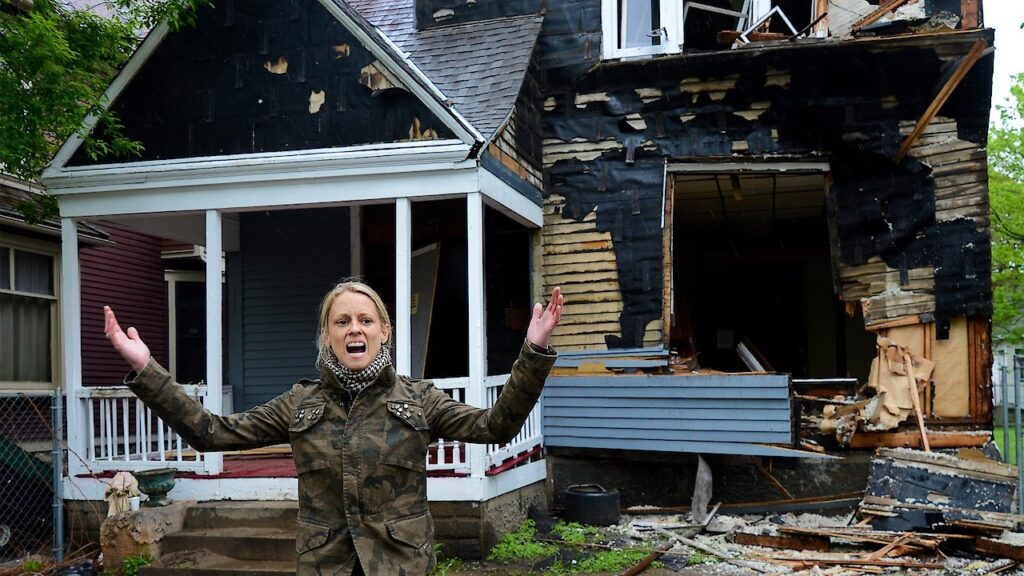
The latest season of Rehab Addict saw Curtis tackle several ambitious projects, including a large-scale renovation of a dilapidated Victorian home in Detroit. This project, among others, has served as a powerful reminder of the potential for renewal in neglected neighborhoods. Beyond mere construction, the show highlights the communities surrounding these homes, focusing on the positive effects of revitalization on local economies and social dynamics. Curtis has also partnered with organizations focusing on affordable housing solutions, showcasing her commitment to not only beautifying neighborhoods but also improving the quality of life for residents.
Significance and Community Impact
Rehab Addict has ignited conversations about the importance of preservation versus the need for modern housing solutions in urban areas. The show’s reach extends beyond entertainment; it serves as an educational platform that inspires viewers to recognize the beauty in old structures and the need for sustainable development. The renovations do not just restore homes; they revitalize communities, instill pride among residents, and demonstrate the impactful ripple effect of individual efforts on neighborhoods.
Conclusion
As Rehab Addict continues to air and reach wider audiences, its influence on home restoration and community development grows. By showcasing the artistry and dedication behind home renovations, the show invites viewers to appreciate the potential for transformation in their own communities. Going forward, the lessons learned from Rehab Addict will encourage more homeowners, developers, and policymakers to adopt a mindset that values preservation, sustainability, and community enhancement in their future endeavors.