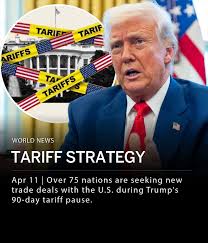
Introduction to Trump Tariffs
The tariffs imposed during former President Donald Trump’s administration remain a significant discussion point in the ongoing economic narrative of the United States. Initially aimed at protecting American industries and boosting domestic production, these tariffs have had far-reaching implications both domestically and internationally. Understanding their impact is crucial for policymakers, businesses, and consumers alike.
Details of the Tariff Policies
Trump effectively began his tariff strategy in 2018, targeting goods from China, Canada, Mexico, and the European Union. The administration’s rationale hinged upon reducing the trade deficit, providing higher wages for American workers, and promoting U.S. manufacturing.
In total, tariffs were applied to approximately $370 billion worth of Chinese goods, affecting a vast array of products including electronics, machinery, and consumer goods. As of early 2023, many of these tariffs remain in place, despite changes in administration, highlighting their lasting impact on trade relations.
Economic Effects
The imposition of these tariffs has had mixed effects on the U.S. economy. Proponents argue that they have indeed protected some domestic jobs and industries, particularly in manufacturing sectors. However, critics point to rising prices for consumers and increased costs for industries reliant on imported materials, noting that this has led to inflationary pressures.
For instance, a report by the Federal Reserve indicated that tariffs contributed to price increases on goods across various sectors, ultimately leading to concerns over the burden on the average American consumer. Furthermore, the retaliatory tariffs from countries affected by Trump’s policy also led to adverse outcomes for American farmers and exporters.
Current Developments and Future Outlook
The Biden administration has taken a somewhat different approach, with attempts to re-evaluate and strategically adjust these tariffs. Discussions surrounding the future of Trump tariffs have included debates on how to balance protectionism with free trade principles to foster economic recovery post-pandemic.
Given the current political climate and ongoing discussions about international trade agreements, it is likely that tariffs will remain a contentious issue. Industry leaders and lawmakers continue to call for a nuanced approach that considers the broader ramifications for global trade and economic health.
Conclusion
The legacy of Trump’s tariffs is complex and raises important considerations for trade policy moving forward. As the economy continues to evolve, understanding the implications of these tariffs will be crucial for businesses, policymakers, and consumers alike, shaping the dialogue in international trade policy for years to come.