Introduction
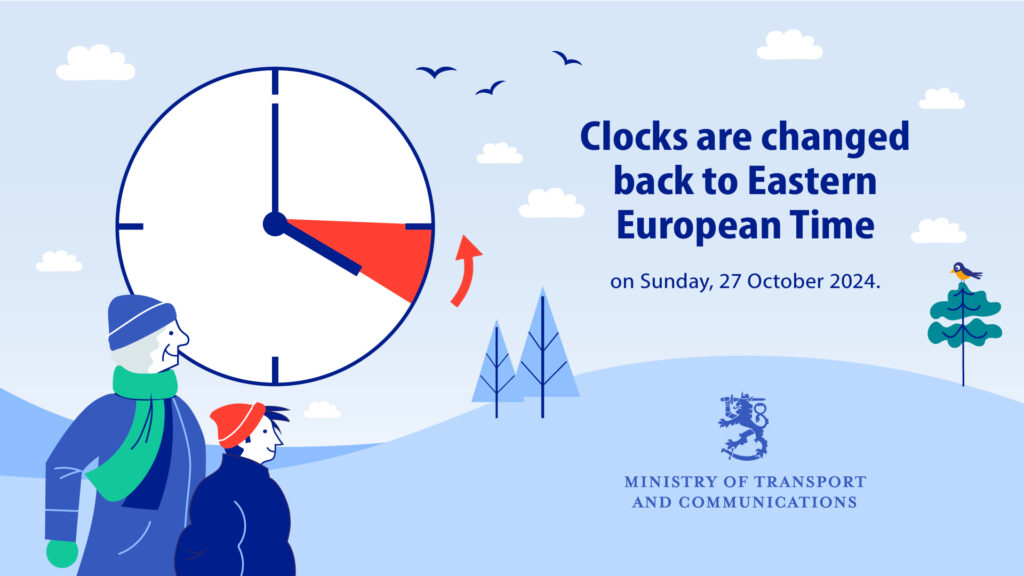
The time change in Canada is a biannual event that affects millions of Canadians across the country. Implemented for the purpose of extending daylight in the evening hours, this practice has been a topic of debate regarding its benefits and disadvantages. Time change occurs twice a year, once in spring when clocks are set forward by one hour, and again in fall when they revert to standard time. Understanding the implications of these shifts is essential as they impact daily routines, productivity, and even health.
Details on Time Change
In Canada, daylight saving time (DST) begins on the second Sunday in March and ends on the first Sunday in November. During this period, clocks are set one hour ahead, meaning more daylight in the evenings. Proponents of daylight saving time argue that it leads to increased energy savings, reduced traffic accidents, and more opportunities for outdoor leisure activities in the evening. However, several studies have pointed out potential downsides, such as disruptions to sleep patterns and an increase in health issues, including heart attacks and strokes shortly after the time change.
Current Developments and Debates
Recently, there has been a growing discourse regarding the need for reevaluating the necessity of time change. In many provinces, including British Columbia and Quebec, legislative discussions have proposed the possibility of eliminating the time change altogether and opting for a permanent standard time or daylight saving time. In November 2022, the U.S. Senate passed a bill to make daylight saving time permanent, adding pressure on the Canadian government to consider similar measures. Public opinion on the matter is mixed, with some supporting a year-round time change, while others wish to return to standard time.
Conclusion
As the time change draws near, Canadians must familiarize themselves with its effects and make necessary adjustments to their routines. The significance of the time change goes beyond just the clock; it encompasses aspects of health, safety, and lifestyle. With ongoing debates about its relevance in modern society, it is likely that we will see more discussions and potential changes regarding time change methods in the near future. Addressing these concerns effectively will be essential to optimize potential benefits while minimizing adverse impacts on health and productivity.