Introduction to Clavicular Injuries
The clavicle, commonly known as the collarbone, is a vital bone that connects the arm to the body’s trunk. Understanding clavicular injuries is crucial, especially among athletes and active individuals, as these injuries can significantly impact mobility and quality of life. Recent events, including increased sports activities post-pandemic, have led to a rise in clavicular injuries, underscoring the importance of awareness and preventive measures.
Details and Symptoms of Clavicular Injuries
Clavicular injuries can occur due to falls, direct impacts, or repetitive stress. Symptoms often include pain at the site of the clavicle, swelling, bruising, and a noticeable deformity in severe cases. Athletes participating in contact sports such as football or hockey are particularly at risk. According to the Canadian Orthopaedic Association, clavicular fractures account for approximately 5-10% of all fractures in adults.
Treatment and Recovery Options
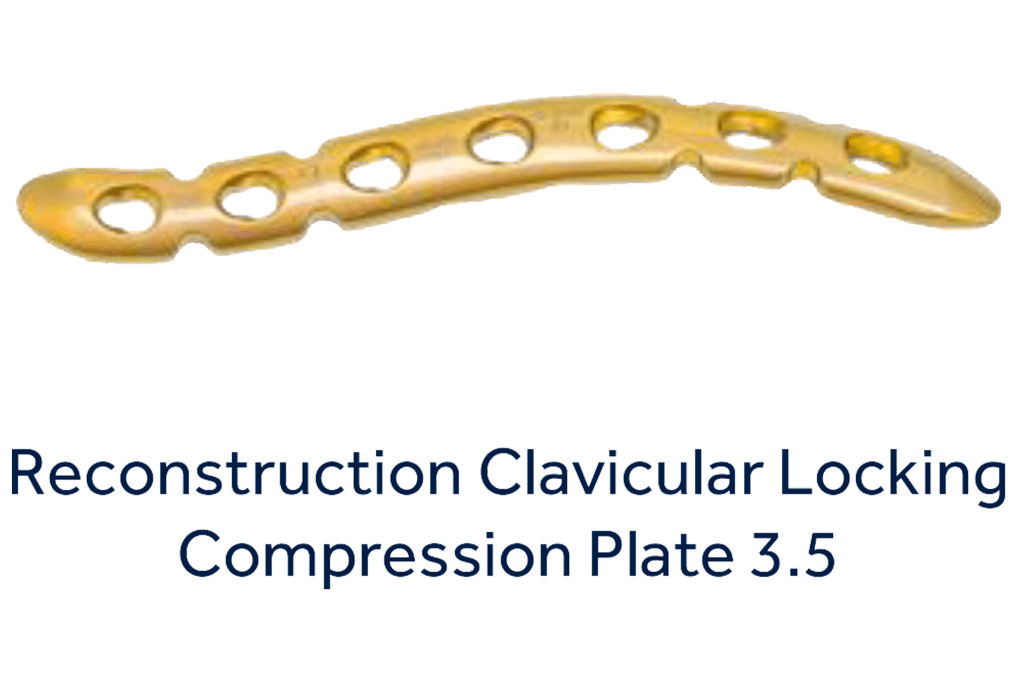
Treatment for clavicular injuries typically varies based on the severity of the damage. Minor fractures or sprains may only require rest, ice, and over-the-counter pain relievers. Physiotherapy is often recommended to restore range of motion and strength. In more severe cases, surgical intervention may be necessary to realign the bone fragments. A study published in the Journal of Shoulder and Elbow Surgery found that surgical repair can lead to better functional outcomes for athletes compared to non-surgical treatments.
Preventive Measures and Conclusion
Preventing clavicular injuries involves properly warming up before physical activities, using appropriate protective gear, and improving core strength and coordination. As sports participation continues to rise, particularly among youth and recreational leagues, understanding and addressing the risks of clavicular injuries becomes increasingly important.
In conclusion, with the prevalence of clavicular injuries on the rise, especially in active populations, it is crucial for individuals to be aware of the symptoms and treatment options. Early diagnosis and appropriate management can lead to better recovery outcomes, ensuring that individuals can return to their desired activities safely.