Introduction
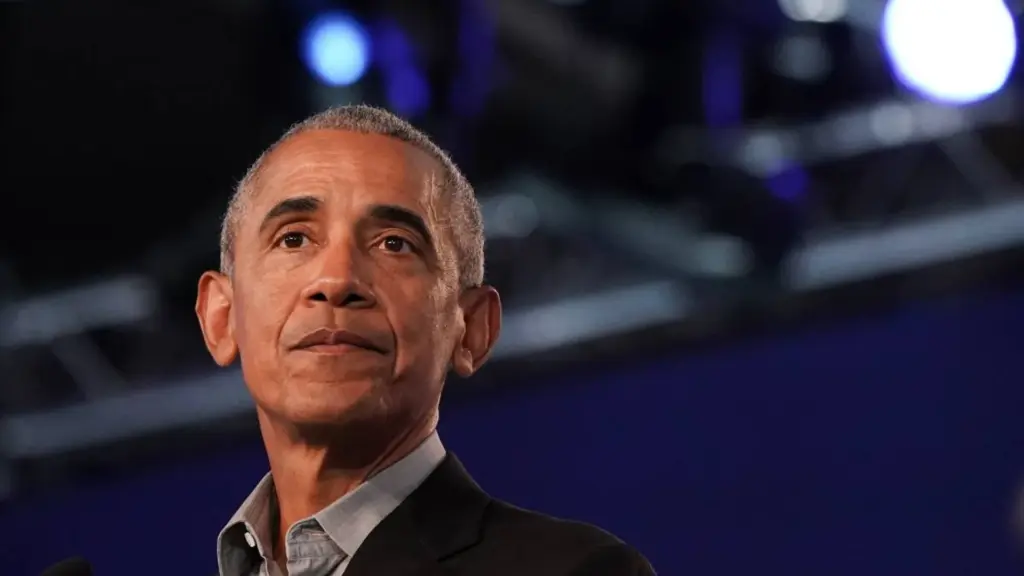
Barack Obama, the 44th President of the United States, remains a pivotal figure in both American and world history. His presidency from 2009 to 2017 not only marked a significant moment for racial progress in the U.S. but also initiated global discourse on climate change, healthcare reforms, and international diplomacy. Understanding Obama’s influence offers insights into today’s socio-political landscape, especially as discussions around his policies and philosophies continue to unfold.
Key Achievements During Presidency
Obama’s presidency was characterized by several landmark achievements. One of his most notable accomplishments was the Affordable Care Act (ACA), which aimed to expand healthcare coverage to millions of uninsured Americans. The ACA’s implementation radically altered the American healthcare system, leading to a decrease in the population lacking health insurance.
Internationally, Obama focused on a strategy of diplomacy that emphasized engagement over isolation. The landmark Iran Nuclear Deal signed in 2015 aimed to curb Iran’s nuclear capabilities in exchange for relieving economic sanctions. This approach to foreign policy was complemented by a notable pivot to Asia, highlighting the importance of U.S. relations with key players in the Asia-Pacific region.
Continued Impact and Advocacy
After leaving office, Obama has continued to influence global debates, particularly surrounding climate change. In 2021, he spoke during various international events, emphasizing the need for collective action to combat climate-related crises. His establishment of the Obama Foundation has also aimed to inspire the next generation of leaders worldwide through education and community service initiatives.
Conclusion
Barack Obama’s legacy stays relevant as issues such as health care, climate change, and global diplomacy continue to dominate political discussions in the U.S. and beyond. With the rise of new political challenges and a shifting global landscape, Obama’s perspectives and experiences contribute significantly to understanding effective leadership. As he advocates for future leaders and engages in social matters, his influence is expected to shape discussions for years to come, reminding us of the importance of thoughtful governance and active participation in democratic processes.