Introduction
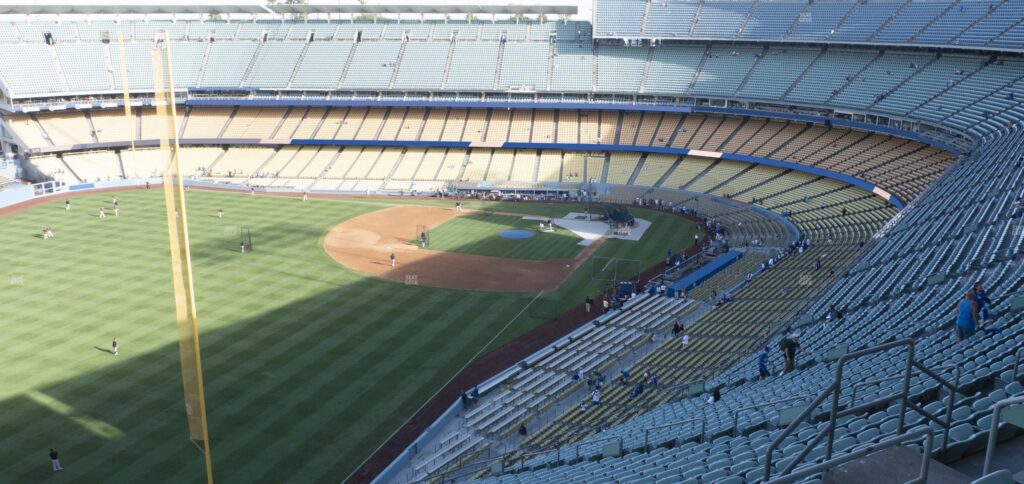
The LA Dodgers Stadium, known officially as Dodger Stadium, is not just a sports venue; it is a historic landmark that plays a significant role in the cultural identity of Los Angeles. As the oldest Major League Baseball stadium still in operation, having opened its gates in 1962, Dodger Stadium has seen countless memorable games and historical moments, making it a cherished place for baseball fans and local communities alike.
Historical Significance
Dodger Stadium was the first MLB stadium built in the West Coast era and has been the home of the Los Angeles Dodgers since their move from Brooklyn. The stadium was designed by architect Emil Praeger and has the unique feature of being nestled into the hillside of Chavez Ravine, providing scenic views of the San Gabriel Mountains and the downtown LA skyline.
The stadium can hold over 56,000 fans, making it the largest baseball stadium in the United States by seating capacity, and it has been the venue for numerous significant events, including the 1981 and 1988 World Series and the MLB All-Star Game in 1981. Its breathtaking views, iconic architecture, and storied history draw fans from all walks of life, making it a pivotal part of America’s favorite pastime.
Recent Developments
This year, the Dodgers have made further enhancements to amplify the fan experience at Dodger Stadium. Upgrades have included expanded concourses, enhanced food and beverage offerings, and upgraded seating options designed for comfort and accessibility. The team has also focused on enriching community engagement and sustainability practices within the stadium.
Moreover, the ongoing collaboration with local artists has brought unique cultural elements into the stadium, celebrating the diverse communities that make Los Angeles vibrant. The Dodger management also emphasizes a commitment to environmental responsibility, incorporating green initiatives such as recycling programs and energy-efficient lighting systems.
Conclusion
As Dodger Stadium continues to thrive, it remains a symbol of pride for Los Angeles residents, representing not just the sport of baseball but also a community hub where people come together to celebrate their love for the game. As the Dodgers aim for another championship run this season, the excitement and energy around Dodger Stadium are palpable, reinforcing its status as a must-visit destination for sports fans. With upcoming renovations and initiatives, the stadium is poised to be a key player in LA’s cultural and sporting landscape for many years to come.