Introduction
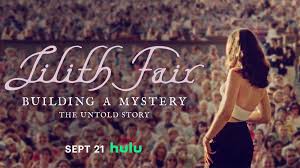
Lilith Fair was more than just a concert series; it was a cultural phenomenon that celebrated women in music. Founded by Canadian musician Sarah McLachlan in the late 1990s, the festival aimed to provide a platform for female artists and to promote equality in an industry that historically favored male performers. Its significance continues to resonate today, as discussions around women’s representation in music remain highly relevant.
The Rise of Lilith Fair
Launched in 1997, the first Lilith Fair showcased a diverse lineup of female talent, including artists like Jewel, Fiona Apple, and Sheryl Crow. The festival not only highlighted these artists but also generated much-needed funds for various women-focused charities. Over the course of three years, Lilith Fair toured across North America, becoming one of the highest-grossing tours of its time, with attendance reaching over 1.5 million people.
Impact on the Music Industry
The festival’s impact extended beyond mere attendance numbers. Lilith Fair opened doors for many female artists who had been sidelined in a male-dominated industry. As Sarah McLachlan stated in interviews, the festival’s mission was to provide women with a space where they could showcase their work and connect with audiences who appreciated their contributions. It helped reshape the narrative of women in music, leading to increased visibility for female musicians and encouraging younger generations to pursue careers in the industry.
The Revival in 2019
After a 20-year hiatus, Lilith Fair made a triumphant comeback in 2019, celebrating its legacy and the advancements in women’s representation in music. The return featured both established and emerging artists, reminding audiences of the ongoing need for inclusive platforms in the music industry. This revival not only attracted older fans who had experienced the original festival but also brought in younger generations eager to engage with the ideals of equality and representation.
Conclusion
Lilith Fair has left an indelible mark on the music landscape and continues to serve as a symbol of female empowerment in an industry that is slowly evolving. As conversations about gender equality and representation continue to unfold, Lilith Fair remains a critical reference point in the fight for parity in the arts. Looking forward, the festival’s legacy reinforces the importance of creating safe, inclusive spaces for artists of all genders, ensuring that the music industry remains diverse and vibrant for future generations.