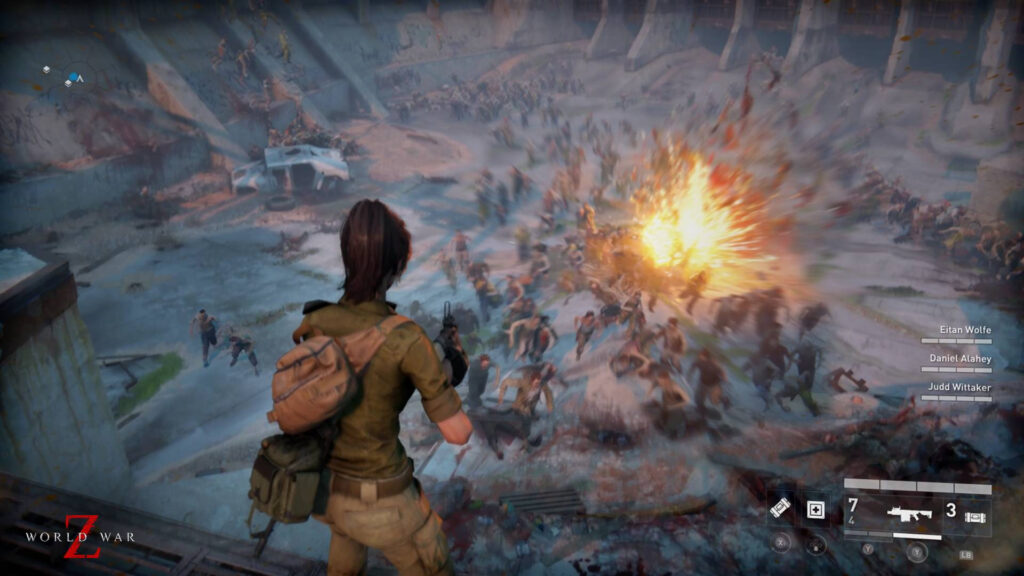
Introduction: The Relevance of World War Z
Since its release in 2006, Max Brooks’ novel, World War Z, has stirred imaginations and influenced popular culture profoundly. This oral history of a fictional zombie apocalypse not only captures the attention of readers but also raises important questions about societal resilience and collective responses to crises. In an era dominated by global health concerns and disaster preparedness, World War Z remains an essential reference point for understanding the complexities of human behavior during catastrophic events.
The Rise of Zombie Culture
World War Z contributed significantly to the rise of zombie culture in the 21st century, impacting various forms of media including films, video games, and television series. The 2013 film adaptation starring Brad Pitt helped to bring the story to a broader audience, generating discussions about survival strategies and societal breakdowns. The adaptation highlighted the urgency and realism of the scenarios presented in the original novel, emphasizing that the themes of contagion and societal collapse resonate with current fears, such as those related to pandemics.
Real-World Parallels
In light of recent global events, including the COVID-19 pandemic, many have drawn parallels between the fictional world of World War Z and reality. The book’s exploration of how nations respond to existential threats paints a vivid picture of human dynamics in crises, showcasing both unity and fragmentation. The depiction of governments struggling to manage the crisis, information dissemination failures, and a populace grappling with fear is an unsettling reflection of the current state of societal resilience.
The Significance of Preparedness
World War Z stresses the importance of preparedness and adaptability. The rush to develop vaccines and support systems during the pandemic echoes the survival strategies detailed in Brooks’ work, urging society to reflect on its support mechanisms and crisis management plans. The narrative suggests that cooperation among nations and communities is critical in facing global challenges, emphasizing that fiction can inspire real-world change.
Conclusion: The Impact of World War Z
The legacy of World War Z is one that transcends its genre, offering insights into human behavior and societal structures during emergencies. Its relevance remains steadfast as it prompts discussion on preparedness and resilience. As new challenges arise, both fictional and real, the lessons learned from World War Z can guide us in fostering better responses and understanding the collective human experience in the face of adversity. The importance of being ready, the necessity of transparency, and the strength found in community are themes that will endure as long as stories are told.