Introduction
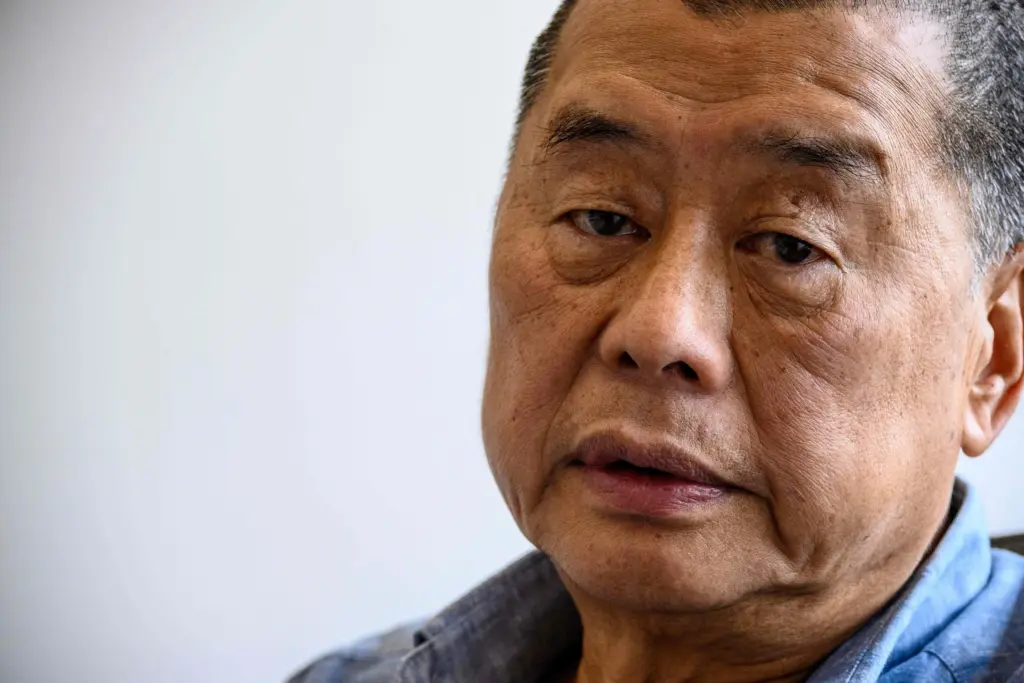
Jimmy Lai, a prominent Hong Kong businessman and pro-democracy activist, has become a symbol of the struggle for freedom in Hong Kong amidst increasing pressures from the Chinese government. His journey, from a humble background to the founder of a successful media empire, reflects not only his personal success but also the changing political landscape of Hong Kong. Lai’s conviction and relentless advocacy for democratic values are crucial in understanding the current socio-political climate in the region.
Background
Born in 1947 in Guangzhou, China, Jimmy Lai emigrated to Hong Kong with his family at a young age. He started his career working in a textile factory before venturing into the media industry, founding Next Digital, which publishes the popular pro-democracy newspaper Apple Daily. Under Lai’s leadership, Apple Daily became a powerful voice for the democratic movement, often facing backlash from authorities. Lai’s commitment to press freedom and human rights has made him a prominent figure in the pro-democracy protests that erupted in Hong Kong in 2019.
Current Events
The past few years have been particularly challenging for Lai. In 2020, he was arrested under Hong Kong’s controversial National Security Law, which was implemented by Beijing to suppress dissent. Despite the international outcry and calls for his release, Lai continues to face legal challenges. His imprisonment has drawn condemnation from numerous human rights organizations and has sparked debates about press freedom and political repression in Hong Kong.
Following his arrest, Lai’s impact remains profound. His case has attracted global attention, with governments and public figures advocating for his release and the protection of human rights in Hong Kong. The ongoing legal battles illustrate the broader fight between pro-democracy advocates and an increasingly authoritarian regime.
Conclusion
Jimmy Lai’s legacy as a champion for democracy and press freedom in Hong Kong underscores the ongoing struggles in the region. As international awareness of his situation grows, Lai symbolizes the resistance against oppression, inspiring many to continue advocating for their rights. The outcome of his legal battles may serve as a crucial indicator of the future of political freedoms in Hong Kong and the extent to which the international community can influence change. As the situation evolves, the world watches closely, aware that the fight for democracy in Hong Kong is far from over.