Introduction
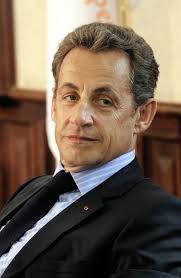
Nicolas Sarkozy, who served as the President of France from 2007 to 2012, is a significant figure in contemporary French and European politics. His tenure is marked by ambitious reforms and a controversial international presence. Understanding Sarkozy’s political legacy is crucial for comprehending the evolving landscape of French politics and its implications for Europe as a whole.
Key Events During Sarkozy’s Presidency
Sarkozy’s presidency was characterized by a series of major reforms and policies. One of his first significant actions was the introduction of economic reforms aimed at revitalizing France’s economy during the global recession of 2008. He implemented tax cuts and pursued labor market reforms aimed at increasing employment opportunities.
Internationally, Sarkozy played a pivotal role during the 2011 military intervention in Libya, advocating for decisive action to protect civilians under threat from the Gaddafi regime. This decision reflected his assertive foreign policy approach and aligned with his ambition to enhance France’s role on the global stage.
Domestically, Sarkozy aimed to tackle issues such as immigration and national security. His administration introduced controversial measures aimed at increasing border control and limiting certain immigration flows, which received mixed reactions from the public and lawmakers alike.
Sarkozy’s Influence on European Politics
In addition to his domestic agenda, Sarkozy’s presidency had significant repercussions for European unity and governance. He championed the European Stability Mechanism during the Eurozone crisis, advocating for solidarity among European nations to address financial instability. His leadership style and policies contributed to discussions on further European integration, especially in the wake of economic challenges faced by member states.
Conclusion and Significance
Nicolas Sarkozy’s political legacy is a testament to the complexities of leadership in a diverse political landscape. His assertive policies and international initiatives have left a lasting imprint on France and Europe. As France continues to evolve politically, understanding the impacts of Sarkozy’s presidency can shed light on contemporary issues, including economic recovery, immigration, and European cohesion.
As we reflect on Sarkozy’s era, it is essential for citizens and policymakers alike to consider how past leadership shapes current and future policies. With elections looming in the coming years, Sarkozy’s legacy may influence new generations of politicians and the electorate in their pursuit of a stable and united Europe.