Introduction
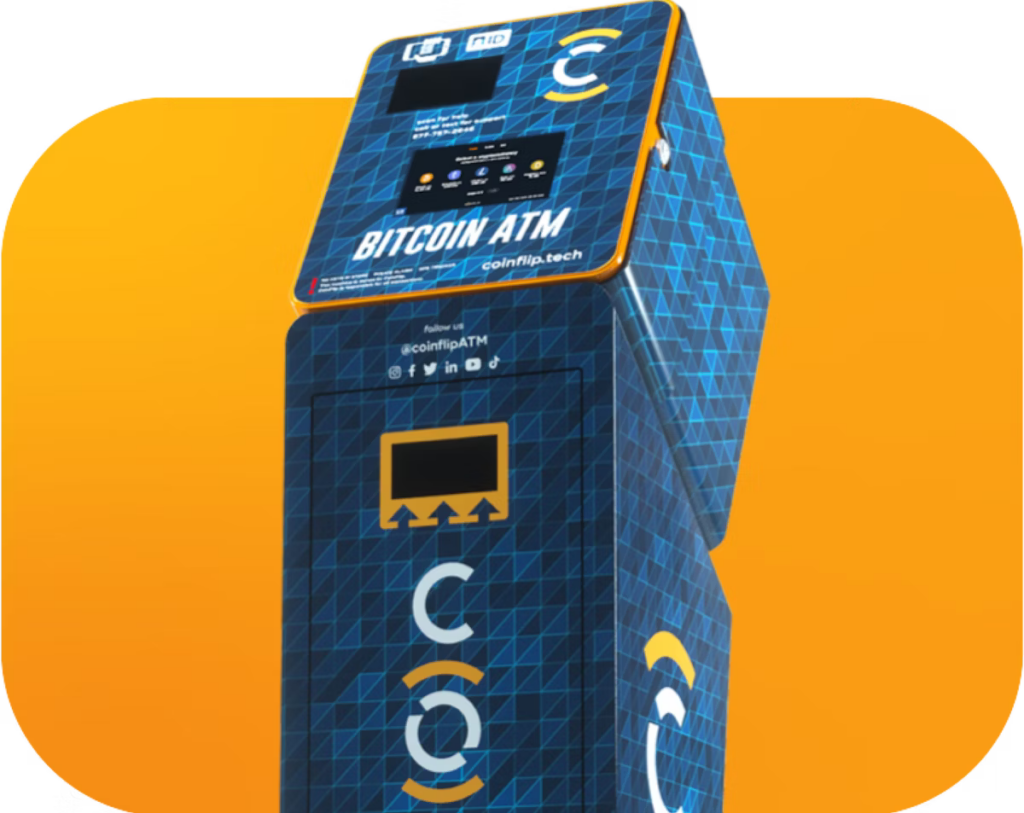
Bitcoin ATMs have become increasingly significant in the rapidly evolving world of cryptocurrency. As Bitcoin continues to gain traction as a viable alternative to traditional currency, the presence of Bitcoin ATMs in Canada is expanding, providing easier access for users looking to buy, sell, or trade Bitcoin. This trend is crucial not only for the growth of cryptocurrency but also for its acceptance in mainstream financial transactions.
Current Landscape of Bitcoin ATMs
As of October 2023, Canada boasts one of the largest networks of Bitcoin ATMs in the world, with over 2,500 machines scattered across various provinces. This substantial number reflects a steady increase from just a few hundred in 2020, illustrating a growing acceptance of cryptocurrencies. Major urban centers, including Toronto, Vancouver, and Montreal, see the highest concentrations of these ATMs, catering to a tech-savvy demographic fascinated by digital currencies.
Benefits of Bitcoin ATMs
Bitcoin ATMs offer numerous advantages to consumers. Firstly, they provide a level of convenience, allowing users to purchase Bitcoin quickly and efficiently without needing to sign up for online exchanges. Many machines also accept cash, making it easier for individuals wary of online transactions to participate in the cryptocurrency market. Furthermore, Bitcoin ATMs often come equipped with user-friendly interfaces, enhancing the experience for novice users.
Regulatory Challenges and Future Outlook
Despite their increasing popularity, Bitcoin ATMs face several regulatory challenges. The Canadian government has made strides in regulating cryptocurrency transactions to combat money laundering and fraud, leading to an ongoing dialogue about compliance within the Bitcoin ATM industry. Operators must ensure that their machines follow Anti-Money Laundering (AML) regulations, requiring identity verification for large transactions.
Looking ahead, experts predict continued growth in the number of Bitcoin ATMs across Canada, driven by increasing public interest in cryptocurrencies and investments. The convenience they provide may lead to a broader public understanding of digital currencies, further propelling Bitcoin into everyday transactions and possibly influencing how traditional financial institutions respond.
Conclusion
The rise of Bitcoin ATMs represents a pivotal shift in how Canadians engage with cryptocurrency. Their convenience, accessibility, and growing presence suggest that Bitcoin may continue to infiltrate everyday financial uses. As regulatory frameworks develop, the future looks promising for Bitcoin ATMs, potentially paving the way for a more integrated economic landscape where digital currencies and traditional finance coexist harmoniously.