Introduction
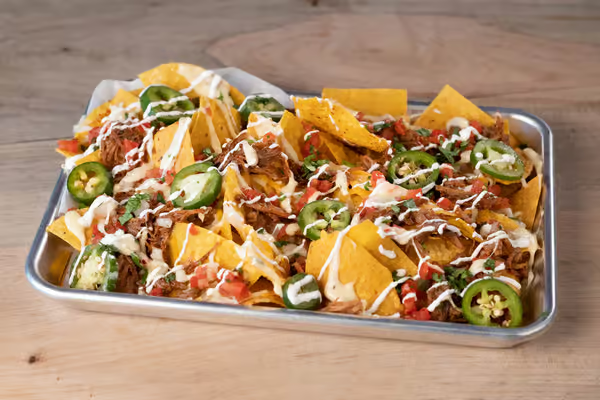
Nachos have transitioned from a simple bar snack to a beloved culinary delight in Canada, captivating food enthusiasts across the nation. Their evolution into various gourmet versions and their omnipresence at sporting events demonstrates their significance in contemporary Canadian food culture. This article explores the history, popularity, and future of nachos in Canada, highlighting their enduring appeal.
The Evolution of Nachos
Originating in Mexico in the 1940s, nachos were created by Ignacio ‘Nacho’ Anaya, who first served tortilla chips topped with cheese and jalapeños. This simple dish eventually crossed borders and evolved substantially, leading to numerous variations, from classic cheese nachos to extravagant gourmet adaptations featuring pulled pork, guacamole, and artisanal cheeses. Today, nachos are not only a staple in Mexican restaurants but are also a popular item on menus at Canadian pubs, cinemas, and sporting venues.
The Nacho Craze in Canada
According to recent studies, nachos have gained immense popularity across Canada, particularly during major sporting events such as hockey playoffs and the Super Bowl. A survey conducted by Restaurant Canada indicated that 65% of Canadians enjoy nachos while watching sports, making them one of the top snack choices for game days. Many restaurants have capitalized on this trend, offering unique takes on traditional nachos, including plant-based options to cater to the growing demand for vegetarian and vegan meals.
Local Variations and Innovations
Across provinces, nachos have been adapted to reflect local flavours and ingredients. For instance, in British Columbia, seafood-inspired nachos topped with smoked salmon and cream cheese have gained traction, while in Quebec, poutine nachos combine the nation’s favourite dish with loaded nachos, featuring gravy, cheese curds, and hearty toppings. These regional specialties showcase how nachos have been reimagined by local chefs, contributing to their increasing popularity.
Conclusion
As nachos continue to evolve and diversify, their position in Canadian cuisine appears secure. With the rise of gourmet and innovative recipes, along with their presence at communal gatherings and celebrations, nachos serve as a symbol of sharing and enjoyment. The forecast for nachos in Canada remains bright, hinting at further creativity and expansion in the culinary scene. This beloved snack is likely to adapt and thrive, making it an integral part of Canada’s diverse food landscape for years to come.