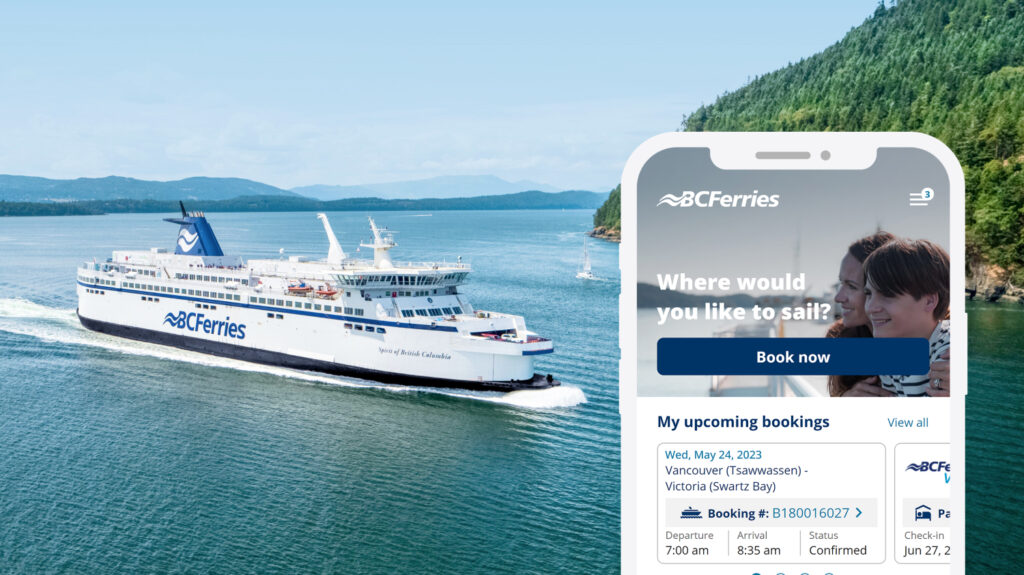
Introduction to BC Ferries
BC Ferries plays a vital role in British Columbia’s transportation infrastructure, connecting major coastal communities and islands. Established in 1960, this ferry service not only facilitates daily commuting for residents but also supports the province’s tourism industry by providing access to scenic destinations.
Current Operations and Importance
With a fleet of over 35 vessels, BC Ferries operates a network of routes that serve both passenger and vehicle transport. In 2022, the service carried more than 23 million passengers and 8 million vehicles, a clear indicator of its significance in the everyday lives of British Columbians. The routes link cities like Vancouver and Victoria, as well as numerous smaller islands, enhancing economic opportunities and fostering community connections.
Recently, BC Ferries has made headlines by implementing advanced booking systems to better manage capacity and reduce wait times, especially during peak travel seasons. The ferry service reported a 20% increase in online bookings in the past year, reflecting a shift in customer preferences towards efficiency and convenience.
Environmental Initiatives
Environmental sustainability is also a focus for BC Ferries. The company has invested in hybrid technology and aims to reduce greenhouse gas emissions significantly. By 2030, BC Ferries plans to have fully electric vessels operating on specific routes. This transition is crucial, considering the province’s commitment to combat climate change and reduce its carbon footprint.
Challenges and Future Prospects
Despite its successes, BC Ferries faces ongoing challenges, including rising operational costs and the necessity to modernize infrastructure. Additionally, boat delays and cancellations due to weather conditions or mechanical issues have raised concerns among users. Nevertheless, leaders within the organization remain optimistic, emphasizing the resilience and adaptability of their services. Strategic investments in technology and eco-friendly vessels are expected to pave the way for a more efficient future.
Conclusion
BC Ferries is more than just a transportation service; it is a backbone of British Columbia’s economy and culture. As the province continues to grow, the importance of reliable and innovative ferry services becomes even more essential. The ongoing improvements in technology and commitment to sustainability suggest that BC Ferries will remain a significant player in connecting residents and tourists to British Columbia’s breathtaking coastal landscapes for years to come.