Introduction
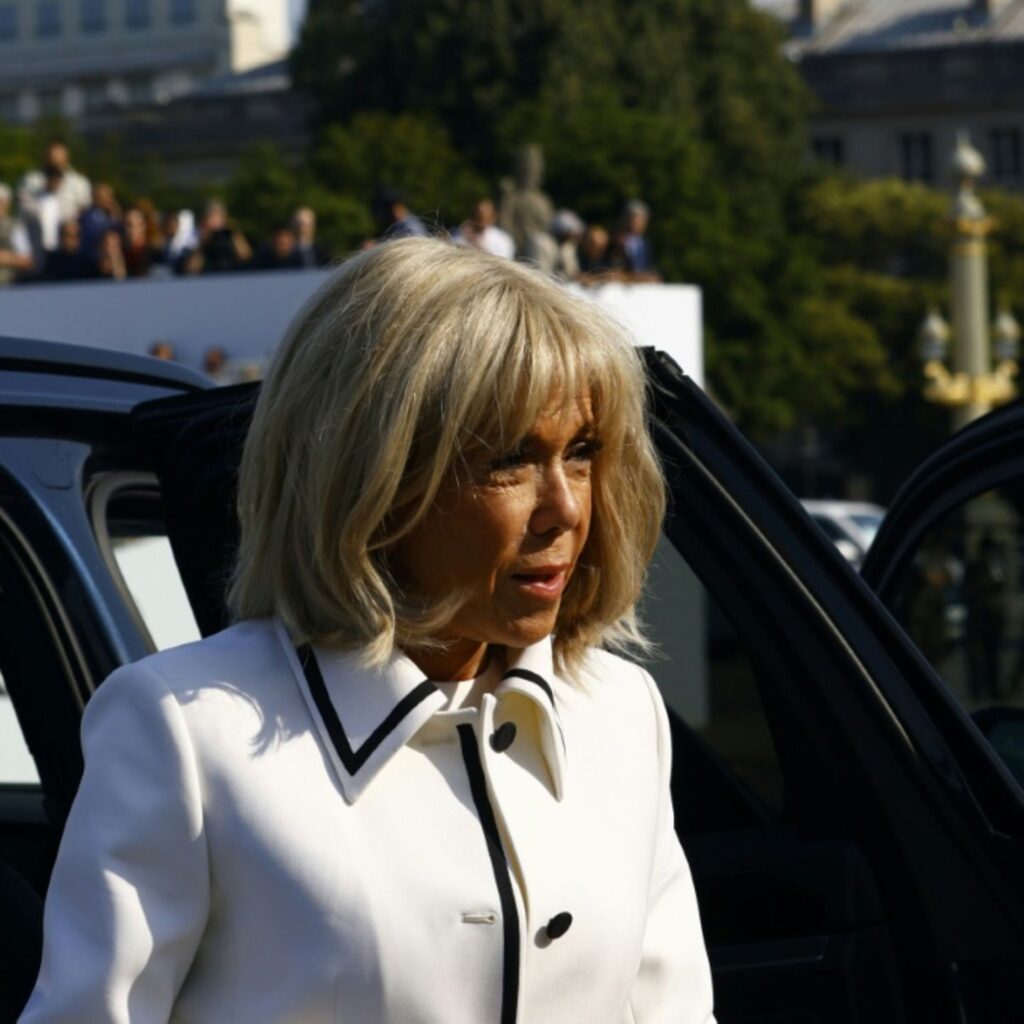
Brigitte Macron, the wife of French President Emmanuel Macron, has become a significant figure not only as the First Lady of France but also in her own right. Her influence encompasses cultural, educational, and social sectors, which has grown since Emmanuel Macron’s election in 2017. This article delves into her activities, initiatives, and the public’s perception of her role, highlighting her importance in contemporary French society.
Career and Public Engagement
Before her husband entered politics, Brigitte Macron was a high school drama teacher, where she met Emmanuel Macron, who was a pupil at La Providence high school in Amiens. Their unconventional love story has captured public attention, but it is her subsequent role as First Lady that has defined her public persona. Since the presidential election, she has focused on various social issues, including education, children’s rights, and promoting arts and culture.
One of her prominent initiatives is the “Education for All” campaign, aimed at improving educational opportunities for underprivileged youth in France. Her commitment to education is not only professional but also deeply personal: she aims to inspire a new generation of learners, reflecting her passion for teaching.
Influence on French Politics
Though the role of First Lady is largely ceremonial, Brigitte Macron has become a prominent voice and advisor on matters close to her heart. She is often seen accompanying her husband at state functions, participating in official visits, and engaging with the public. Her presence in the political arena aids in humanizing the presidency and making leadership more approachable to citizens.
Publicly, Brigitte Macron has garnered mixed reactions—from admiration for her charm and elegance to criticism regarding the couple’s age difference. Despite the challenges, she has maintained a positive image, notably embracing her role in promoting social causes.
Public Perception and Media Presence
The media closely follows her activities, from fashion choices to advocacy work. Her style often sparks discussions and even influences French fashion trends. As she balances her public and private life, her focus remains on her husband’s presidency alongside her commitment to various causes.
Conclusion
Brigitte Macron represents a modern vision of a First Lady, blending advocacy with traditional roles. As France continues to navigate complex political and social landscapes, her influence will likely grow. By championing education and cultural initiatives, she not only enhances the role of First Lady but also leaves a lasting impact on the fabric of French society. Observers can expect her to remain an essential player in shaping issues that resonate with the French people as the political climate evolves.