Understanding Friday the 13th
Friday the 13th is a date that many people consider to be unlucky, steeped in superstition and folklore. The phenomenon has sparked interest in both popular culture and psychological studies. Historically, both the number 13 and Fridays have been regarded as ominous, with roots tracing back to religious beliefs and ancient rituals. This date regularly generates headlines and discussions around the implications of bad luck and misfortune.
The Origins of the Superstition
The combination of Friday and the number 13 being perceived as unlucky can be dated back centuries. The fear surrounding the number 13, known as triskaidekaphobia, is one issue that has long lingered in society. In Christianity, the number 12 is often seen as the number of completeness (12 apostles, 12 tribes of Israel), which makes the number 13 appear irregular. Fridays have had a similar stigma; in Christianity, it is traditionally viewed as the day of Jesus’ crucifixion, further reinforcing the negative associations with the date when both elements coincide.
Modern Interpretations
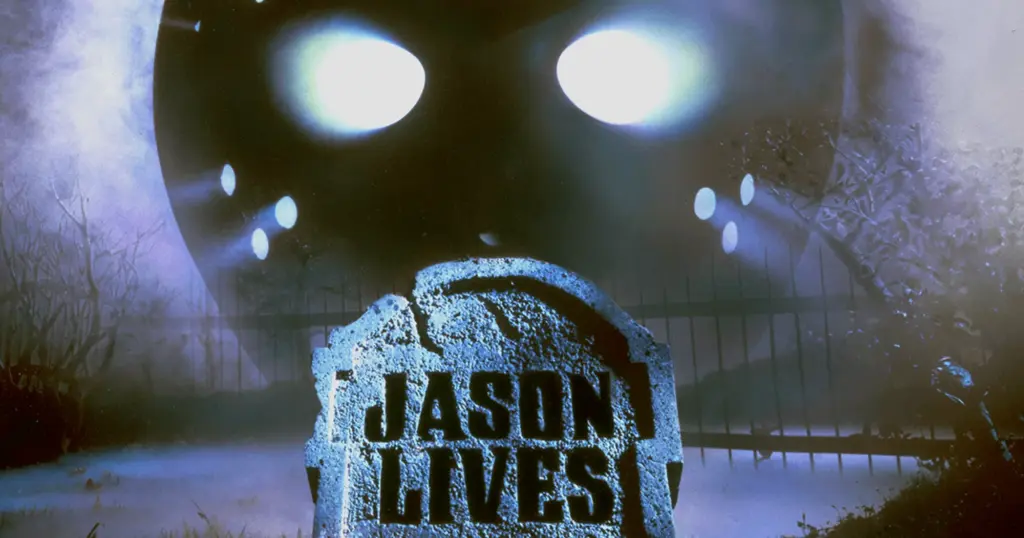
In contemporary culture, Friday the 13th is largely recognized through various films, books, and media, most notably the slasher series that has coined the date as iconic in horror. The franchise not only plays on fears but also reflects broader cultural anxieties surrounding irrational beliefs. From a societal viewpoint, many individuals will avoid taking major steps, such as traveling or making financial commitments, on this day, reflecting a significant influence of superstition in everyday life.
Recent Events and Observances
In 2023, two Friday the 13ths occurred: one in January and another in October. Interestingly, many local businesses and event planners embrace the day as an opportunity for marketing. Some host themed parties, while others promote special offers. Retailers may get creative with products tied to the theme of luck or the supernatural, showcasing a unique blend of cultural acknowledgment and commercial gain.
Conclusion: A Cultural Phenomenon
The significance of Friday the 13th extends beyond mere superstition; it plays a role in our collective consciousness, reflecting our fears, beliefs, and cultural narratives. While some dismiss the day as just another date on the calendar, many continue to uphold the myths and lore associated with it. As we move forward, this cultural phenomenon is likely to continue, blending traditions with modern entertainment, reminding us of the poignant ways in which history and myth shape our perceptions of luck and fate.