In a concerning move, Thermos has recalled approximately 8.2 million food jars and beverage bottles due to alarming safety issues reported by consumers. The recall follows over 27 injury reports, including incidents resulting in permanent vision loss.
The recalled products include about 5.8 million Stainless King Food Jars and 2.3 million Sportsman Food & Beverage Bottles, which were sold at major retailers such as Target and Walmart for around $30 each. These items were available from March 2008 until July 2024.
The Consumer Product Safety Commission (CPSC) highlighted that the containers lack a pressure-relief mechanism. This design flaw can cause stoppers to eject forcefully when opened, posing significant risks of impact injuries and lacerations. As noted by the CPSC, “If perishable food or beverages are stored in the container for an extended period of time, the stopper can forcefully eject when opened, which can result in serious impact injury and laceration hazards to the consumer.”
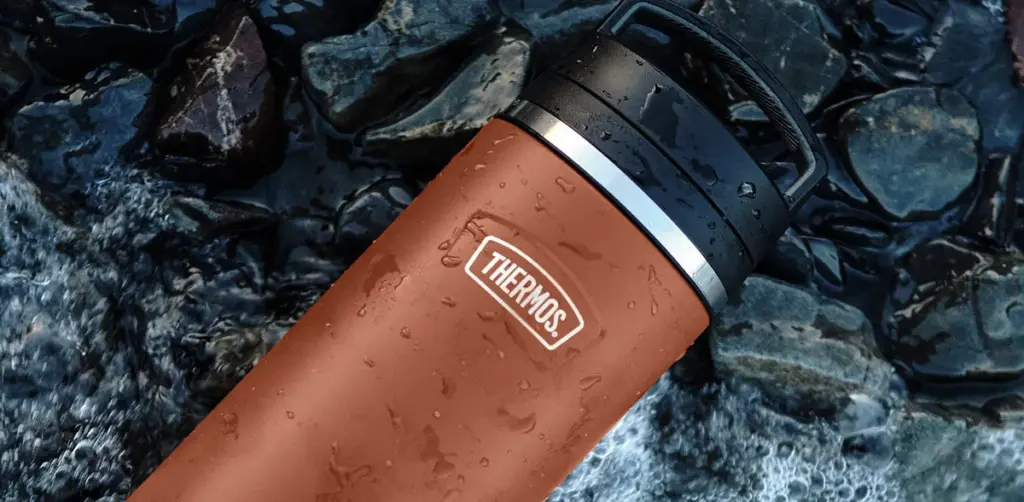
Among the injury reports, three consumers suffered permanent vision loss after being struck by these stoppers. The model numbers for the affected products are SK3000, SK3020, and SK3010, with the Thermos logo located on the side.
Key facts about the recall:
- 8.2 million total recalled products
- 27 total injury reports received
- 3 consumers experienced permanent vision loss
- Products sold from March 2008 to July 2024
- Consumers advised to stop using these products immediately
The CPSC urges all consumers to cease using the recalled Food Jars and Bottles immediately and to contact Thermos for a free replacement pressure relief stopper or a replacement bottle based on their model.
This recall reflects a broader concern regarding product safety in consumer goods. With such a significant number of affected items, many families may be left wondering about their safety practices in food storage.