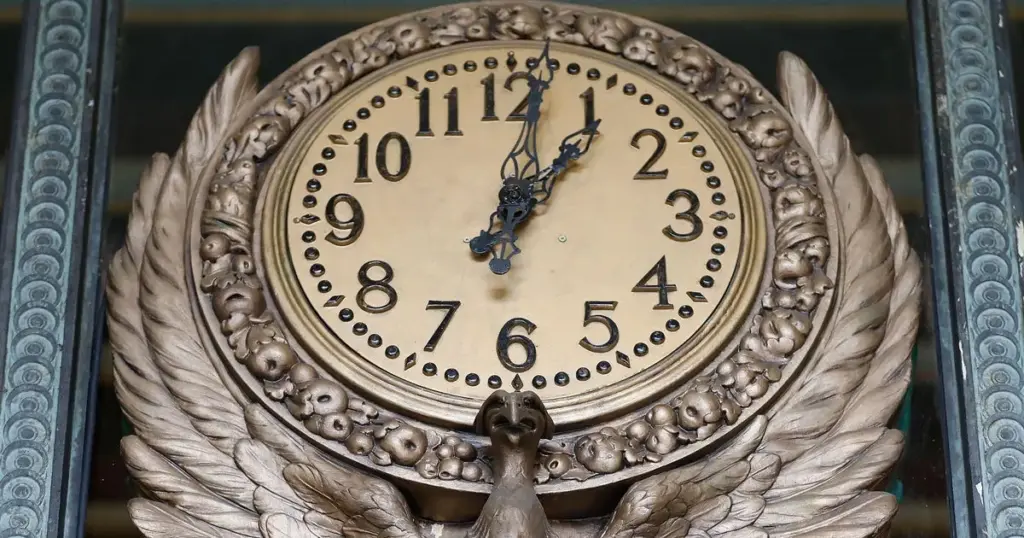
What is the significance of the time change in 2026?
Daylight saving time for 2026 is set to start on March 8 at 2 a.m. local time, marking a significant shift for many Americans and residents of British Columbia. Most Americans will lose an hour of sleep when the clocks spring forward, a change that has been a topic of discussion for decades.
In 2026, daylight saving time will be in effect for 238 days, ending on the first Sunday of November. This annual adjustment has historical roots, as daylight saving time was first adopted in the U.S. in 1918 during World War I to conserve fuel.
Changes in British Columbia
British Columbia is poised to make a notable change by shifting to permanent daylight time year-round starting March 8, 2026. This decision follows a 2019 survey where 93% of British Columbians expressed support for daylight time. The province’s Pacific time zone is seven hours behind Coordinated Universal Time (UTC), and this change aims to provide more evening daylight.
The B.C. Ministry of the Attorney General stated, “The extra evening daylight on permanent daylight time will have benefits in terms of more time for outdoor activity and safer commutes.” This shift will affect the daily routines of many residents, who will wake up having lost an hour of sleep—one that they will not regain come November.
Wider Implications
While most of the United States observes daylight saving time, exceptions exist. Hawaii and most of Arizona do not change their clocks, nor do territories such as American Samoa, Guam, and Puerto Rico. The time change also has implications for businesses; for instance, in Indiana, the extra hour allows bars and restaurants to sell alcohol for an additional hour.
As the date approaches, the impact of these changes on daily life and public sentiment will continue to be monitored. The long-standing debate over the necessity and effectiveness of daylight saving time remains unresolved, with many advocating for a permanent standard time instead.
Details remain unconfirmed regarding any further adjustments or discussions about daylight saving time beyond 2026. As the conversation evolves, it will be essential to consider the health and lifestyle impacts of these time changes on communities across the U.S. and British Columbia.