Introduction
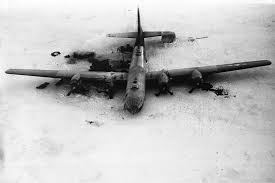
The recent plane crash in Greenland has brought attention to aviation safety and the challenges faced in remote areas. Occurring on October 12, 2023, the incident involved a chartered passenger aircraft which tragically went down in rough terrain near Kangerlussuaq, killing all 14 passengers and crew members. This event highlights the ongoing concern regarding air travel safety in Greenland, an area characterized by its extreme weather conditions and fragile infrastructure.
Details of the Crash
According to reports from the Greenlandic authorities, the aircraft, a twin-engine Beechcraft 1900, was en route from Nuuk to Kangerlussuaq when it sent a distress signal shortly before it went missing. Search and rescue operations commenced immediately, but adverse weather conditions hampered efforts, delaying access to the crash site.
Authorities have confirmed that amongst those on board were both locals and foreign tourists, raising questions about the regulations surrounding charter flights in the region. In the aftermath of the crash, emergency responders were able to reach the site two days later but faced significant challenges due to the remote location and harsh climate.
Causes and Investigations
As of now, the National Transportation Safety Board (NTSB) is collaborating with Greenland’s aviation authorities to investigate the crash. Preliminary findings suggest that weather conditions, including low visibility and high winds, may have played a crucial role. Surveillance footage and aircraft data will be reviewed to understand the circumstances leading up to the disaster.
The implications of this crash extend beyond the immediate tragedy; it has prompted a broader discussion about air travel security in the Arctic region. Greenland, with its limited flight infrastructures and harsh weather, poses unique challenges for aviation safety. Experts are advocating for enhanced safety protocols and better training for pilots operating in such environments.
Conclusion
As investigations continue, the tragic Greenland plane crash serves as a stark reminder of the perils associated with air travel in remote areas. It underscores the need for continued vigilance in ensuring aviation safety standards are maintained, particularly in extreme environments. Importantly, this incident may push authorities to reconsider regulations around charter flights, potentially leading to significant changes aimed at preventing future tragedies.
The families affected by this disaster are left in mourning, and while the aviation community strives to understand what went wrong, the hope is that lessons learned from this incident will lead to improvements in safety that will guard against future accidents.