Introduction
Tropical Storm Gabrielle has become a significant weather event in the Atlantic region, raising concerns among meteorologists and residents alike. With the potential for heavy rainfall and strong winds, the storm’s development is a reminder of the critical nature of hurricane season in the Atlantic, which runs from June 1 to November 30. Understanding the forecast and preparedness is vital for communities in affected areas.
Current Status of Tropical Storm Gabrielle
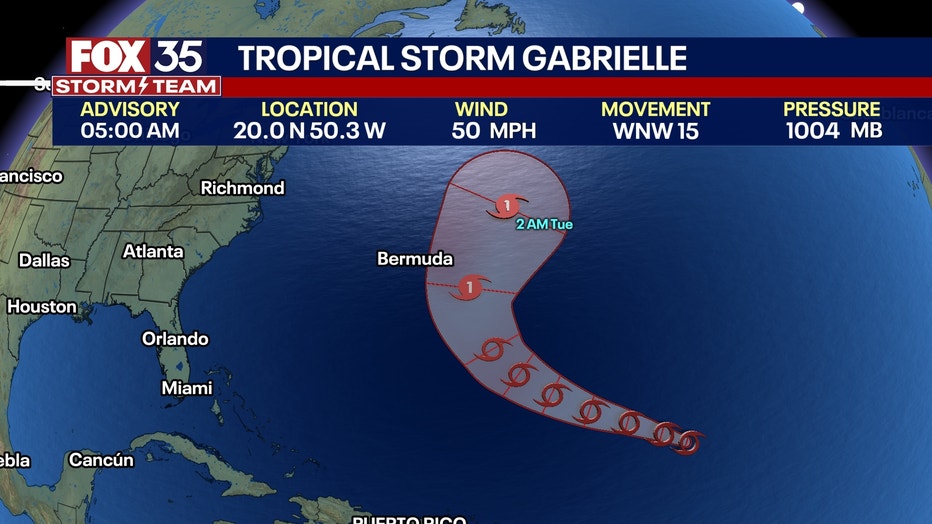
As of the latest updates from the National Hurricane Center (NHC), Tropical Storm Gabrielle is moving through the central Atlantic. The storm formed on September 4, 2023, and has been monitored closely ever since due to its potential impact on coastal areas. Currently, Gabrielle is packing maximum sustained winds of 60 km/h (37 mph) and is expected to maintain its tropical characteristics as it continues on its projected path.
Forecast and Warnings
The NHC has issued several warnings for regions that may be affected by Gabrielle’s path. Coastal areas in the northeastern Caribbean have been advised to brace for possible heavy rain, flooding, and gusty winds. Additionally, degraded sea conditions have raised concerns for marine activities and shipping lanes, prompting advisories for boaters and fishermen.
Community Preparedness
Local governments have begun preparing for the storm’s arrival, emphasizing the importance of readiness among residents. Emergency services are on alert, and evacuation plans are being reviewed in areas most likely to experience severe weather conditions. Communities are urged to stock up on necessary supplies, have an emergency kit ready, and stay updated through reliable weather channels.
Conclusion
Tropical Storm Gabrielle serves as a timely reminder of the unpredictability of weather events during hurricane season. With ongoing developments, the storm’s trajectory and intensity will be monitored closely. Communities in the potential path of Gabrielle must remain vigilant and informed; proactive measures can significantly reduce the risks associated with tropical storms. As the Atlantic hurricane season progresses, preparedness and awareness will be crucial for safety and resilience in the face of natural disasters.