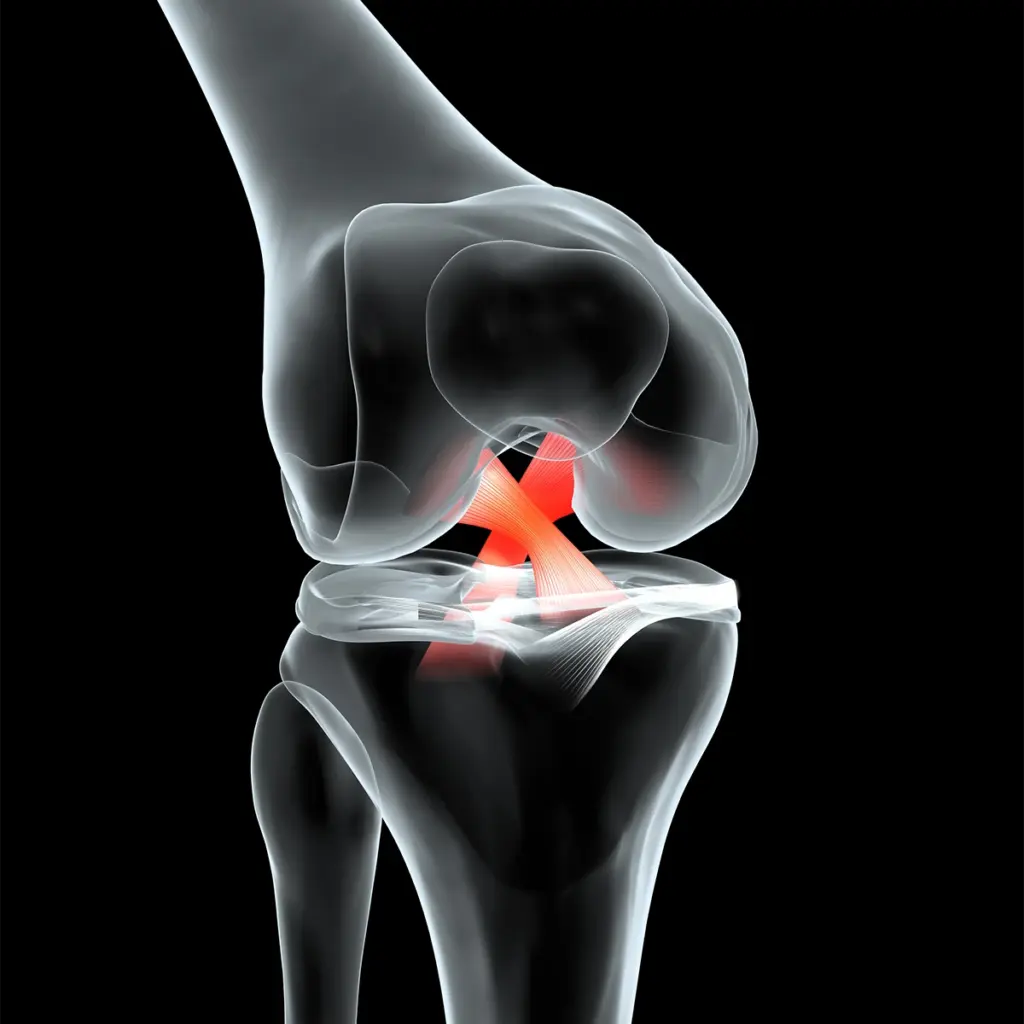
Introduction to ACL Injuries
Anterior cruciate ligament (ACL) injuries are a common occurrence in sports, particularly among athletes participating in high-impact activities such as football, soccer, and basketball. The ACL is crucial for stabilizing the knee joint, and injuries can significantly impact an athlete’s performance and overall mobility. Understanding the causes, treatment, and preventive measures associated with ACL injuries is essential for athletes, coaches, and healthcare professionals.
Causes of ACL Injuries
ACL injuries typically occur due to rapid changes in direction, sudden stops, or awkward landings. A study published in the American Journal of Sports Medicine highlighted that female athletes are at a higher risk of ACL injuries due to factors including anatomical differences and hormonal influences. The NCAA also reported a rise in ACL injuries among high school athletes, underscoring the need for awareness and preventive strategies.
Recovery and Rehabilitation
The recovery process from an ACL injury can vary significantly depending on the severity of the tear. Mild sprains may heal with physical therapy and strength training, while complete tears often require surgical intervention followed by extensive rehabilitation. The recovery timeline can span from 6 months to over a year, during which physical therapy and conditioning play vital roles in restoring strength and stability. Experts recommend a tailored rehabilitation program to meet individual needs, ensuring a safe return to sports.
Preventive Strategies
Preventing ACL injuries requires a multifaceted approach. Utilizing strengthening exercises, agility drills, and proprioceptive training can enhance knee stability. For coaches and athletes, implementing training programs that focus on proper landing mechanics and cutting techniques can lower the risk of injury. Additionally, ongoing education about ACL injury prevention is crucial for athletes and their support teams.
Conclusion
ACL injuries pose a significant challenge for athletes at all levels, but understanding their causes, treatment options, and preventive strategies can mitigate risks. As sports medicine continues to evolve, comprehensive programs focusing on knee health and proactive injury prevention can contribute to safer athletic participation. As the awareness grows, athletes and coaches are encouraged to prioritize knee health, thereby fostering a safer sporting environment.