Introduction
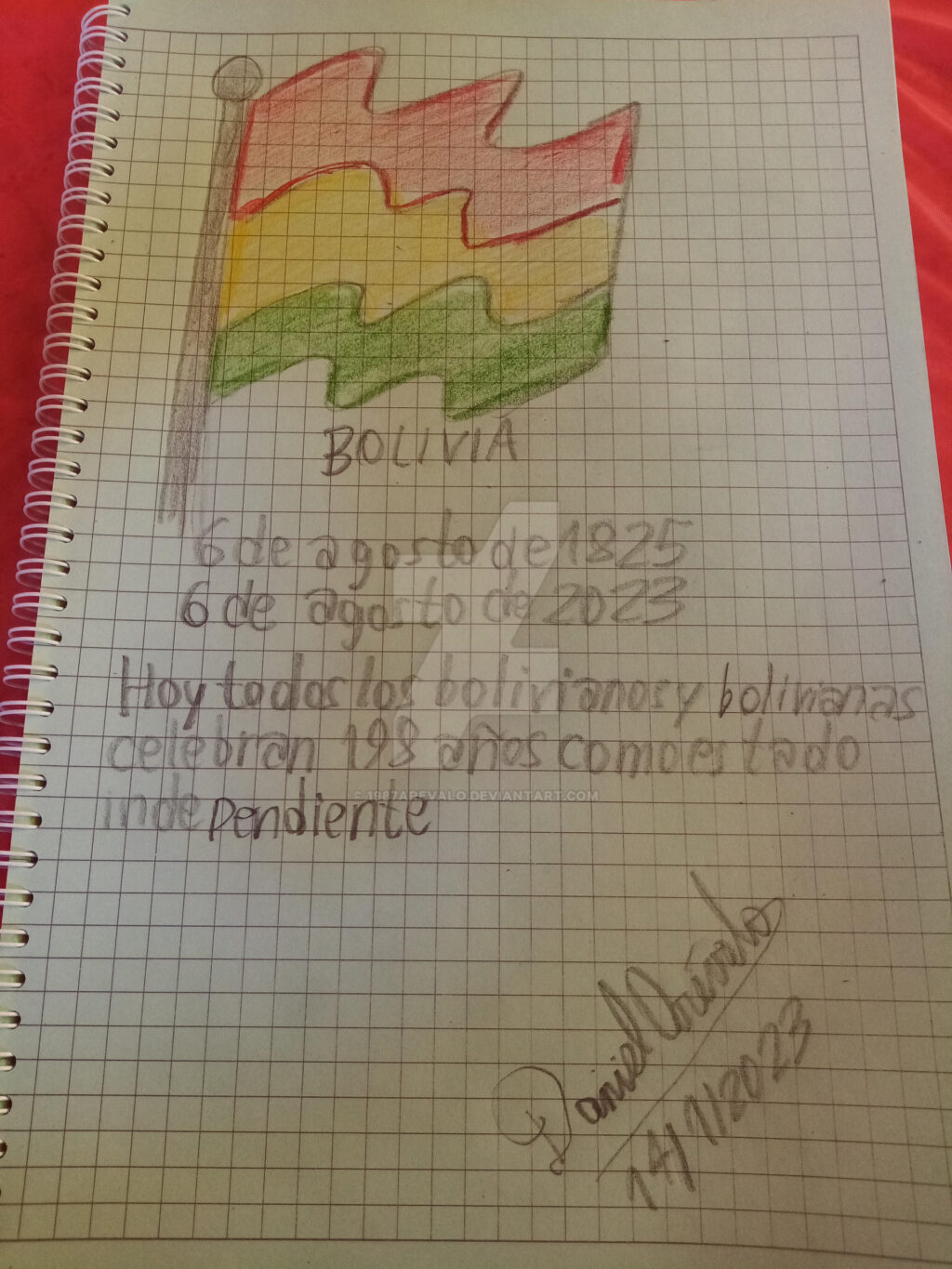
Bolivia, located in the heart of South America, is a nation known for its rich cultural diversity, breathtaking landscapes, and complex history. As one of the only landlocked countries on the continent, Bolivia offers a unique blend of indigenous traditions and modern influences. Its significance in regional politics, economy, and environmental conservation make it a crucial study area for scholars and travelers alike.
Geographical and Cultural Diversity
Covering over 1.1 million square kilometers, Bolivia boasts a variety of ecosystems, from Andean mountain ranges to the lush Amazon rainforest. The country is home to over 36 different ethnic groups, including the Aymara and Quechua, who contribute to Bolivia’s vibrant cultural identity. Festivals like Inti Raymi and Día de los Muertos showcase these indigenous traditions, attracting tourists and promoting cultural pride.
Economy and Political Landscape
Bolivia’s economy is primarily driven by natural resources, with significant reserves of lithium, natural gas, and minerals. The country is recognized as one of the largest lithium producers in the world, critical for global battery production, particularly in the electric vehicle sector. However, Bolivia’s economy faces challenges, including political instability and social unrest, which have been exacerbated by the pandemic.
Current Events
In recent months, Bolivia has faced political tensions following the controversial 2020 elections and subsequent protests. The current administration, led by President Luis Arce, has been focusing on economic recovery plans post-COVID, but public dissatisfaction has risen over issues including inflation and energy prices. Additionally, Bolivia is actively engaging in international negotiations aimed at enhancing lithium production to meet growing global demand.
Environmental Issues
Bolivia’s diverse ecosystems are under threat from deforestation and climate change. The Amazon Basin experiences significant environmental degradation, impacting biodiversity and indigenous communities. In response, the government has partnered with various NGOs to promote sustainable practices and conserve vital habitats.
Conclusion
Bolivia’s unique blend of culture, economy, and environmental challenges underscores its importance on the global stage. As the world looks to transition towards sustainable technologies, Bolivia’s role as a key player in lithium production and its rich cultural heritage will make it a focal point for future discussions. Understanding Bolivia means understanding a country in the midst of significant transformation, with both opportunities and challenges that resonate far beyond its borders.