Introduction
As Canada emerges from the economic disruptions caused by the COVID-19 pandemic, inflation has become a pressing concern for consumers, businesses, and policymakers alike. The rise in inflation rates has affected purchasing power, cost of living, and economic stability across the nation. Understanding the factors contributing to inflation in Canada is vital for citizens to navigate their financial decisions and for policymakers to implement effective strategies.
Current State of Inflation in Canada
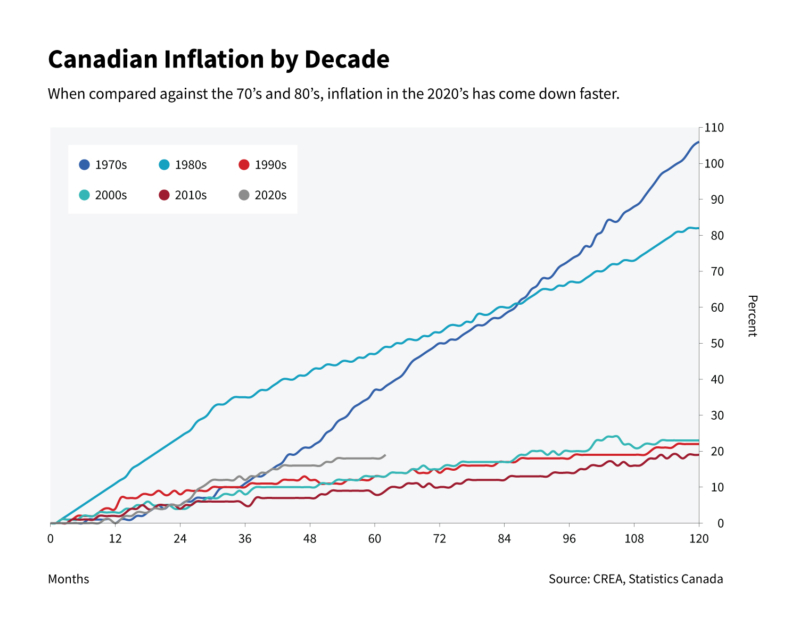
As of October 2023, Statistics Canada reported an inflation rate of 3.8%, down from 6.9% in the summer of 2022. This decrease can be attributed to various factors, including decreased demand, easing supply chain disruptions, and the Bank of Canada’s interest rate hikes aimed at curbing growth. Core inflation, which excludes volatile items such as food and energy, remains elevated at approximately 4.5%, indicating persistent underlying inflation pressures.
Driving Factors of Inflation
The primary drivers of inflation in Canada include rising energy prices, increased housing costs, and higher food prices. Energy prices surged earlier this year due to geopolitical tensions and supply chain issues, impacting transportation and manufacturing costs. Additionally, the Canadian housing market has seen significant increases in prices, partly due to low-interest rates and increased demand amid changing migration patterns. Food prices have also risen significantly, driven by climatic conditions affecting harvests and rising transportation costs.
Economic Implications
The implications of high inflation are broad-ranging. Consumers are facing increased costs for everyday goods and services, affecting their disposable income and spending habits. Small businesses, on the other hand, are contending with higher input costs, which may lead to increased prices for their offerings. The Bank of Canada is currently monitoring these trends, making adjustments as necessary to pilot the economy towards stability while avoiding a recession.
Conclusion and Future Outlook
Looking ahead, it is essential for Canadians to be aware of inflation trends and their implications for personal finances. While the current inflation rate shows signs of stabilization, factors such as energy prices, global supply chains, and potential government policies will continue to play significant roles in shaping future economic conditions. Monitoring these developments will be crucial for both consumers and investors as they make informed decisions amid an evolving economic landscape.