Introduction
The significance of a robust defence strategy is paramount for any nation, particularly for Canada, which faces various geopolitical challenges. As the world evolves, so too must Canada’s approach to defence, ensuring the safety and security of its citizens while maintaining its commitments to international partners. In 2023, Canada unveiled a comprehensive defence strategy aimed at strengthening military readiness, addressing emerging threats, and enhancing collaboration with allied nations.
Key Components of Canada’s Defence Strategy
The updated strategy, announced by Defence Minister Anita Anand, emphasizes three central tenets: modernizing the Canadian Armed Forces (CAF), enhancing industrial capacity, and increasing international cooperation. Firstly, the strategy allocates significant funding to modernize equipment and infrastructure, ensuring military personnel are equipped with the latest technology to face contemporary threats such as cyber-attacks and climate change-related challenges.
Secondly, the strategy includes initiatives to bolster Canada’s defence industrial base. By investing in domestic companies and fostering innovation, the government aims to build resilience within Canada’s military supply chains while simultaneously creating jobs and stimulating economic growth.
Lastly, the importance of international partnerships cannot be overstated. The new defence strategy seeks to deepen Canada’s commitments to NATO and participate actively in multilateral operations. This includes contributing to peacekeeping missions and engaging in joint training exercises with allies to ensure that Canada remains an influential player on the global stage.
Recent Developments
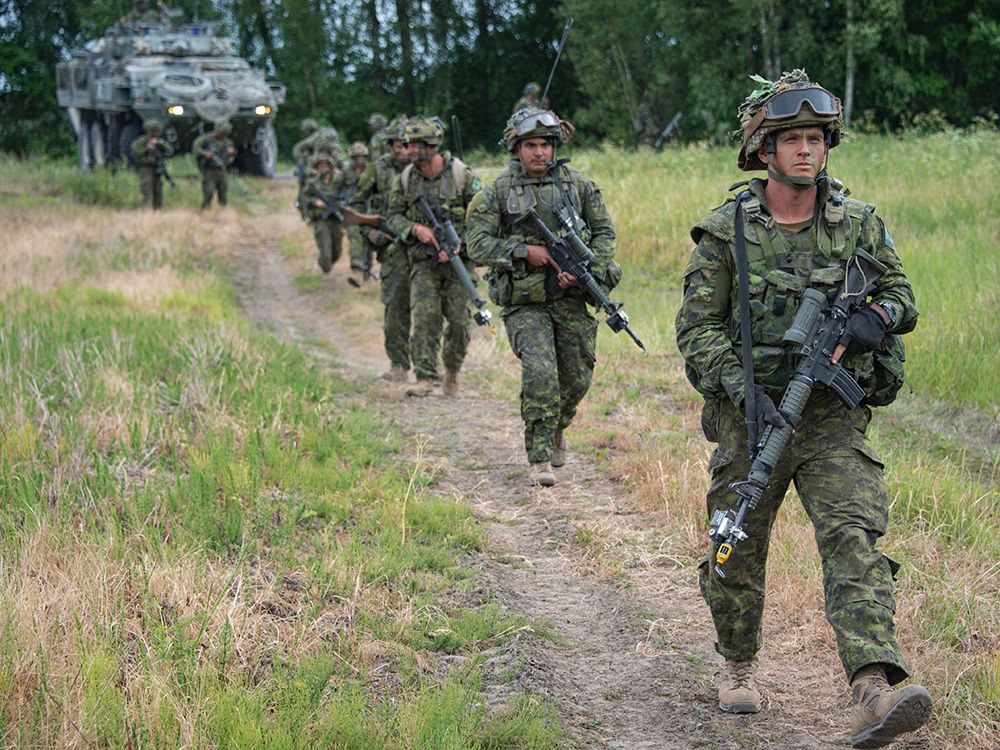
Recent events highlight the urgency behind these strategic changes. As tensions rise in Eastern Europe and the Indo-Pacific region, the necessity for a well-prepared military has become increasingly clear. In support of its allies, Canada has contributed troops to NATO’s Enhanced Forward Presence in Europe and has pledged resources to bolster maritime security in partnership with allies in the Indo-Pacific.
Conclusion
Canada’s defence strategy serves as a vital framework for addressing contemporary threats and ensuring long-term national security. As geopolitical landscapes shift, the measures outlined in this strategy are expected to bolster Canada’s military readiness, enhance the nation’s defence capabilities, and ensure a collaborative approach to international security. The significance of these initiatives indicates a forward-thinking approach to defence, anticipating future challenges while committing to strategic partnerships that benefit not only Canada but global security as a whole.