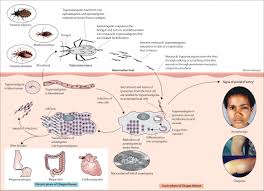
Introduction to Chagas Disease
Chagas disease, caused by the parasite Trypanosoma cruzi, is a significant public health concern, especially in Latin America, where it is endemic. With an estimated 6 to 7 million people infected globally, awareness and understanding of this disease are essential for prevention and treatment. In recent years, there has been an increase in reported cases outside endemic areas, underscoring the relevance of Chagas disease in a global context.
Current Events and Statistics
According to the World Health Organization (WHO), Chagas disease is often referred to as a neglected tropical disease (NTD). The transmission of T. cruzi primarily occurs through contact with infected triatomine bugs, but can also be transmitted through contaminated food, blood transfusions, and from mother to child. In 2021, the Pan American Health Organization reported a worrying trend: cases of Chagas disease in non-endemic areas, including the United States and parts of Europe, have risen significantly due to immigration and globalization.
A Growing Public Health Challenge
Recent studies have highlighted the economic burden of Chagas disease, with healthcare costs and lost productivity impacting even countries not traditionally known for the disease. A 2022 report revealed that the total economic impact in the Americas exceeds $7 billion annually. This emphasizes the urgency of improving healthcare infrastructure and increasing the availability of diagnostic tools and treatment for Chagas disease.
Raising Awareness and Prevention Efforts
Organizations such as Médecins Sans Frontières and the WHO are working tirelessly to increase awareness about Chagas disease. Educational campaigns aim to inform vulnerable populations about prevention methods and symptoms, which can include fever, fatigue, and in chronic cases, severe cardiac and gastrointestinal complications. Understanding these signs is crucial, as early diagnosis can significantly improve treatment outcomes.
Conclusion: The Path Forward
With global travel increasing, Chagas disease is emerging as a critical public health issue that requires a coordinated international response. Healthcare providers are urged to remain vigilant for potential cases and to consider Chagas disease in differential diagnoses, especially in individuals with a history of travel or immigration from endemic regions. By improving awareness, enhancing diagnostic capabilities, and investing in research for treatments, health authorities can significantly mitigate the impacts of Chagas disease in their communities. Ongoing advocacy and funding for neglected diseases like Chagas will play a pivotal role in addressing this growing health challenge.