The Significance of Cryptocurrency Trading
Cryptocurrency trading has gained immense popularity over the past decade, becoming a significant part of the global financial landscape. As more investors look to diversify their portfolios, the allure of trading digital assets continues to rise. The decentralized nature of cryptocurrencies and the potential for high returns have attracted both seasoned traders and newcomers alike, making this a highly relevant topic in today’s investment world.
Recent Developments in Cryptocurrency Trading
As of 2023, cryptocurrency trading has seen a notable increase in participation, driven by factors such as the expansion of trading platforms and the development of regulatory frameworks. Recent statistics indicate that the global cryptocurrency market capitalization exceeds $1 trillion, with Bitcoin and Ethereum often leading the market trends. Moreover, with the rise of decentralized finance (DeFi) projects, a new wave of trading options has emerged, allowing for more innovative investment strategies.
In recent months, discussions surrounding cryptocurrency regulations have also gained traction. Countries like Canada are taking steps to establish guidelines for the trading of digital currencies. The Canadian Securities Administrators (CSA) have issued recommendations to ensure investor protection and market integrity, reflecting a global trend toward more structured oversight.
The Risks and Opportunities in Cryptocurrency Trading
While the potential rewards of cryptocurrency trading are alluring, it is essential for investors to remain cognizant of the inherent risks. Market volatility remains a significant concern, as cryptocurrency prices can fluctuate dramatically in short periods. Recent instances of price manipulation and technological vulnerabilities in exchanges have highlighted the importance of conducting due diligence and employing risk management strategies.
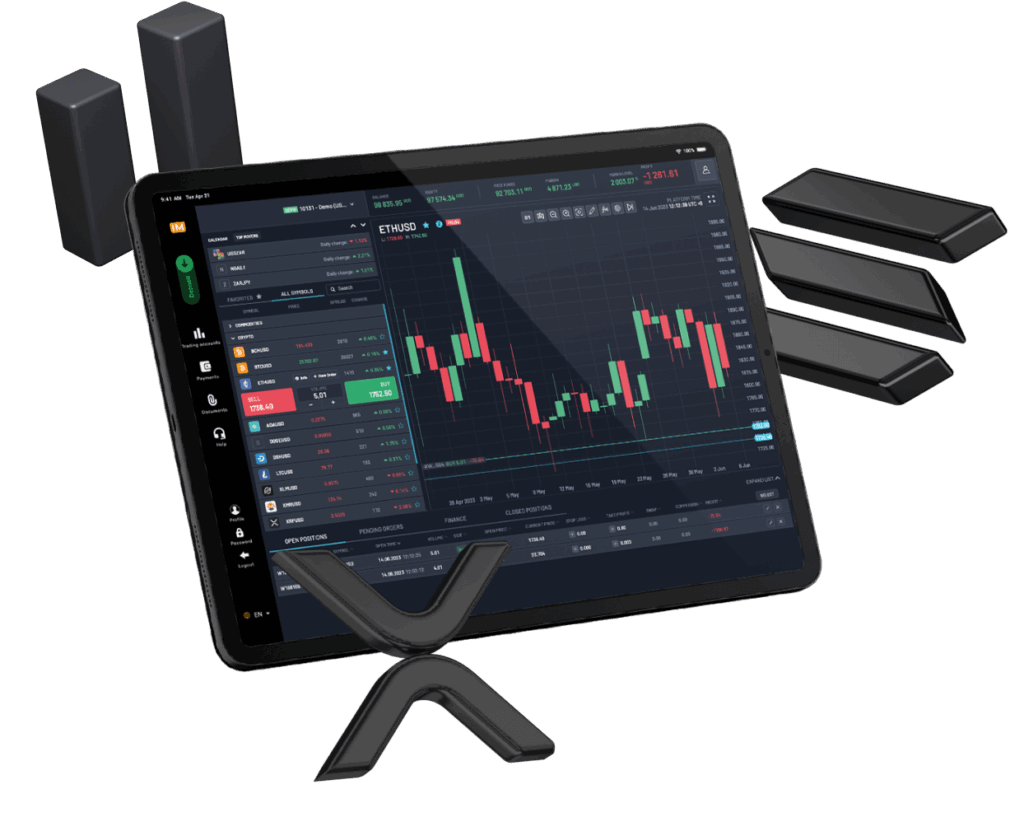
On the flip side, the rapid evolution of trading tools and technologies has made it easier for individuals to enter the cryptocurrency space. Automated trading bots and advanced analytics tools enable traders to make informed decisions and react swiftly to market trends. Furthermore, educational resources are more accessible than ever, empowering traders to enhance their knowledge and skills.
Conclusion: The Future of Cryptocurrency Trading
As cryptocurrency trading continues to mature, it holds both challenges and opportunities for investors. The importance of regulatory frameworks cannot be overstated, as they will likely provide the foundation for a more stable trading environment. Looking ahead, continued adoption of cryptocurrencies by mainstream financial institutions and technological advancements will further shape the landscape of cryptocurrency trading.
For investors, understanding these dynamics is crucial in navigating this exciting yet risky market. Whether one chooses to actively trade or hold cryptocurrencies as a long-term investment, staying informed and adaptable will be key to success in the evolving world of digital currencies.