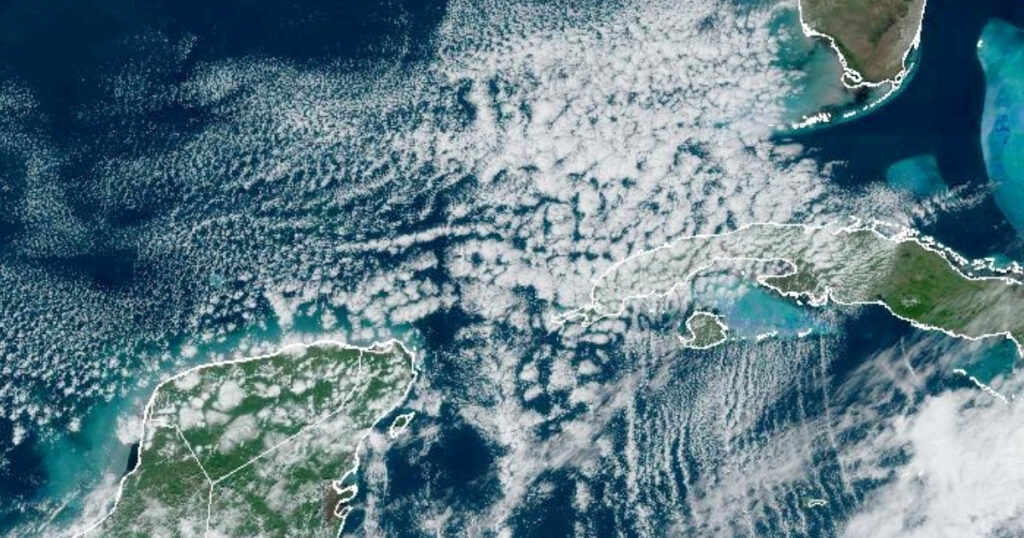
Introduction to Cuba’s Climate
Cuba, the largest island in the Caribbean, is known for its vibrant culture, rich history, and stunning landscapes. Understanding its climate and temperature patterns is essential for both locals and tourists. With recent shifts in climate conditions, tracking the temperatures has become increasingly important for agriculture, tourism, and health sectors in Cuba.
Current Temperature Trends
As of October 2023, average temperatures across Cuba are showing a significant increase compared to previous decades. The National Institute of Meteorology in Cuba reported that annual average temperatures have risen by about 1.5 degrees Celsius since 1951. This rise is attributed to global climate change effects, leading to more frequent and intense heatwaves.
Currently, the average daily temperatures in Havana range between 24°C (75°F) to 31°C (88°F), with similar patterns observed in major cities like Santiago de Cuba and Camagüey. During the summer months, temperatures can reach as high as 35°C (95°F) or more, making it essential for inhabitants and visitors to stay hydrated and cool.
Seasonal Variations
Cuba experiences a tropical climate, which is divided into two main seasons: the dry season (November to April) and the rainy season (May to October). The dry season has milder temperatures, while the rainy season brings increased humidity and sporadic rainfall. Recent climate data shows that the rainy season has extended, causing higher average temperatures in months that were typically cooler.
The elevated temperatures can have adverse effects on agriculture, particularly for crops like sugarcane and tobacco, which are sensitive to heat stress. Farmers are now exploring new methods and technologies to adapt to these changing conditions.
Conclusion and Significance
The changes in Cuba’s temperatures are a reflection of broader climate change phenomena affecting the planet. For residents, understanding these temperature trends is crucial for adapting agricultural practices and dealing with health concerns, especially heat-related illnesses. Tourists should also be aware of how the climate influences their travel plans, particularly during the hotter months.
Going forward, it will be vital for local authorities to implement sustainable practices to address the challenges posed by rising temperatures. Increased awareness and education about climate change will help communities adapt to their new realities while preserving the beauty and culture of Cuba for future generations.