Introduction
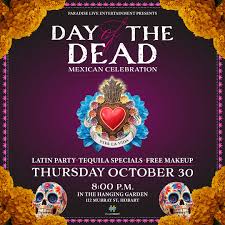
Día de los Muertos, or the Day of the Dead, is a vibrant Mexican tradition that celebrates and honors deceased loved ones. This culturally significant event occurs annually from October 31 to November 2, with 2025 promising to be particularly meaningful as communities come together to remember and celebrate those who have passed away. The festivities blend ancient Aztec rituals with Catholic traditions, highlighting a unique confluence of cultures that underscores the importance of remembering the deceased, fostering familial bonds, and celebrating life.
Main Events and Traditions for Día de los Muertos 2025
In 2025, many cities in Mexico and beyond are expected to hold traditional events, ranging from parades and festivals to artistic displays in public squares. The central element of the celebration is the ‘ofrenda’ or altar, constructed in homes and cemeteries adorned with photos, food, and mementos of the departed. In urban centers like Mexico City, large processions will likely attract thousands, featuring colorful costumes, music, and dance, a testament to the rich cultural heritage.
In addition to the celebration in Mexico, cities across Canada will also host events to honor this tradition, with gatherings in areas with significant Mexican communities. Events may include workshops on creating sugar skulls, decorating altars, and traditional food fairs showcasing beloved treats like pan de muerto.
In preparation for the celebration, many families begin planning their altars several weeks in advance, selecting items that their loved ones cherished and incorporating marigolds, known as ‘cempasuchil’, which guide spirits back to the living world with their vibrant colors and scent. Street markets selling decorative items will likely flourish as demand increases for Día de los Muertos 2025.
Significance and Future Outlook
The significance of Día de los Muertos extends beyond just remembering the deceased; it provides an opportunity for families to come together, celebrate their heritage, and pass down traditions to future generations. The 2025 celebrations, in particular, might see increased engagement as communities strive to preserve cultural identities amidst globalization.
As the holiday approaches, interest in Día de los Muertos continues to grow, not only in Mexico but globally, where it serves as an expression of cultural identity and a meditation on mortality. This upward trend could lead to more widespread recognition and appreciation of the holiday, potentially influencing how it is celebrated and understood.
Conclusion
Día de los Muertos is a profound celebration that emphasizes the significance of remembering those we’ve lost while celebrating life itself. As we approach 2025, preparations for this culturally rich event allow us to reflect upon our connections to our communities and loved ones. For many, it represents a bridge between past and present, offering a moment of joy amidst grief. The festivities not only preserve traditions but also encourage a collective appreciation of culture, making Día de los Muertos 2025 an essential event to be a part of.