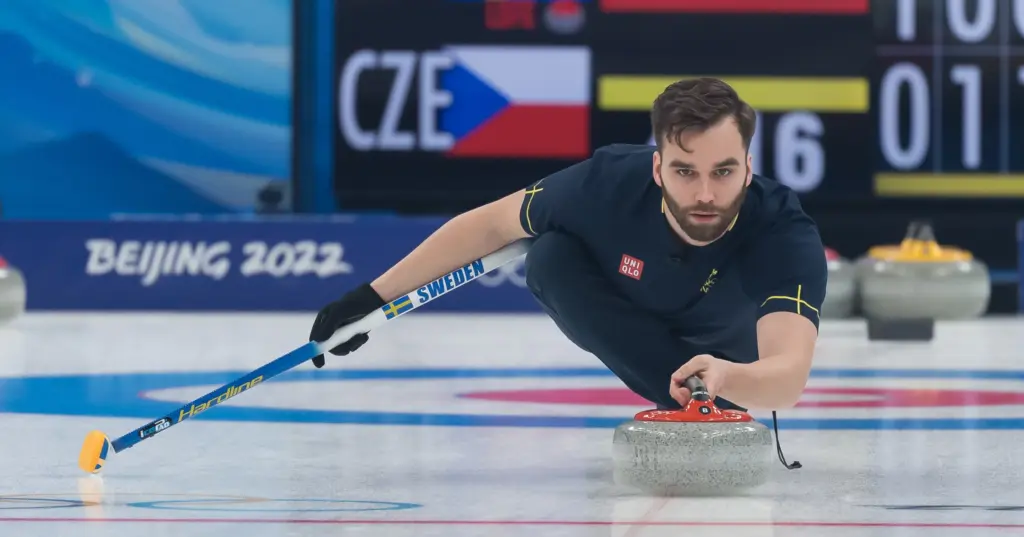
Introduction to Olympic Curling
Curling is a highly strategic sport that captivates audiences, particularly during the Olympic Games. Originating in Scotland, the sport has evolved into a popular international competition featured in the Winter Olympics. An essential aspect of curling is the concept of ‘ends’, which determines the pace and scoring of a match. As curling gains more attention, understanding the number of ends played is significant for fans and aspiring players alike.
How Many Ends Are Played?
In Olympic curling, each match consists of ten ends. An end is analogous to an inning in baseball, where teams take turns throwing stones towards a target area called the ‘house’. The objective is to have your team’s stones closest to the center of the house after all stones have been thrown. Games are timed, but the focus remains on the strategic placement of stones rather than speed.
Variation in Other Competitions
While the Olympic format standardizes the number of ends to ten, other curling competitions may vary. For instance, in some local and club games, teams may play only eight ends. This variation can be attributed to time constraints or the desire for shorter matches. However, the ten-end format remains the most recognized and widely used in major international tournaments.
Importance of Ends in Strategy and Scoring
Understanding the number of ends is crucial for both players and spectators in Olympic curling. Each end presents a new opportunity to score, leading to shifts in strategy as teams adapt based on their performance. Different ends can also create pressure scenarios, potentially altering gameplay dynamics as teams weigh risks of aggressive tactics against conservative play. This interplay adds to the excitement and unpredictability of the sport.
Conclusion
In conclusion, Olympic curling consists of ten ends, a format that facilitates strategic depth and competitive balance. Whether you are a seasoned player or a new fan, understanding the significance of ends enhances appreciation for the sport. As curling continues to grow in popularity, knowledge of its rules, including how many ends are played, will help foster a deeper connection to this captivating winter sport.