Introduction
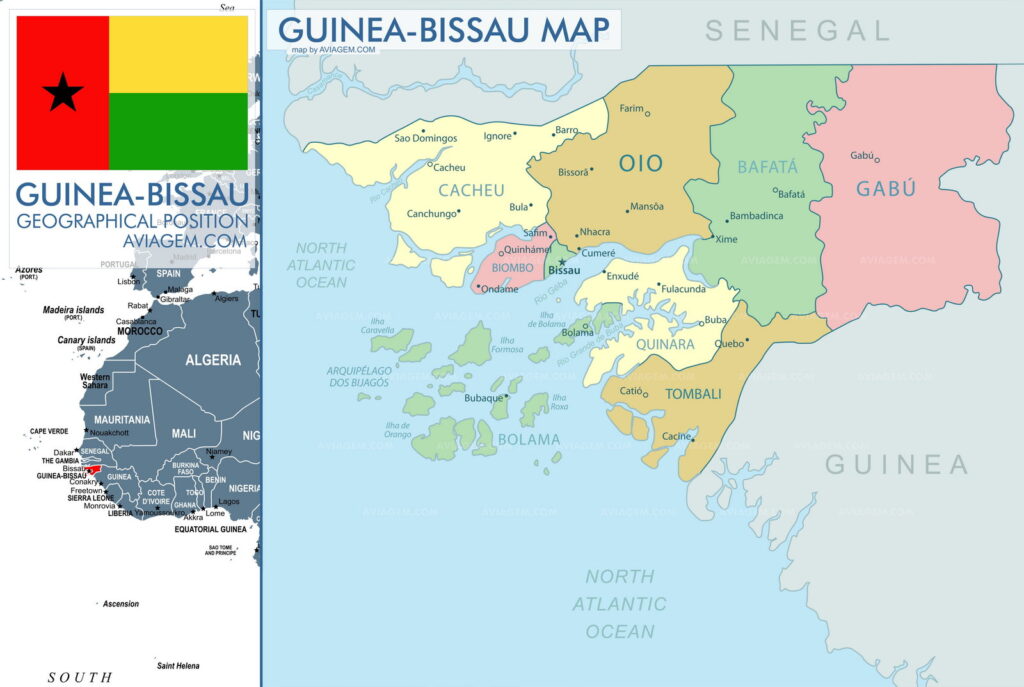
Guinea Bissau, a small West African nation, has been in the spotlight recently due to its tumultuous political landscape and challenges it faces with economic instability. With a population of approximately 2 million, this former Portuguese colony has been grappling with issues such as frequent coups, drug trafficking, and public health crises. The relevance of Guinea Bissau is paramount as it exemplifies the struggles of many post-colonial African nations navigating their political and economic futures.
Recent Political Developments
On May 20, 2023, Guinea Bissau held presidential elections that were marred by accusations of electoral fraud and violence. Despite international observers noting improvements in the electoral process, the election resulted in a runoff due to no candidate securing the majority. The Political Party for the Liberation of the African Homeland (PAIGC) expressed concerns regarding the legitimacy of the elections, leading to further unrest. The new government faces significant challenges in establishing legitimacy and restoring public trust.
Economic Challenges
The economy of Guinea Bissau heavily relies on cashew nut exports, which represent over 90% of its export earnings. However, global price fluctuations and the impact of climate change on agricultural productivity have posed severe threats. In 2023, the country experienced a notable increase in poverty, with the World Bank estimating that nearly 70% of the population lives below the poverty line. The government is looking to diversify its economy, yet implementing structural reforms remains a challenge.
Health & Environmental Issues
Guinea Bissau has also been facing public health challenges exacerbated by the COVID-19 pandemic. Limited access to healthcare facilities, combined with a high prevalence of malaria and other infectious diseases, has made health care reform a critical priority. Furthermore, environmental degradation from deforestation and poor waste management poses additional health and economic risks, urging the government to take action towards sustainability.
Conclusion
The situation in Guinea Bissau remains fluid, with political tensions, economic challenges, and health crises continuing to shape its future. Observers anticipate that international aid and investment could enhance stability and growth in the coming years. However, the reliance on external support must be balanced with robust internal governance reforms to ensure long-term sustainability. For residents, the continued promise of hope rests on the establishment of a resilient political framework and equitable economic opportunities.