What Happened
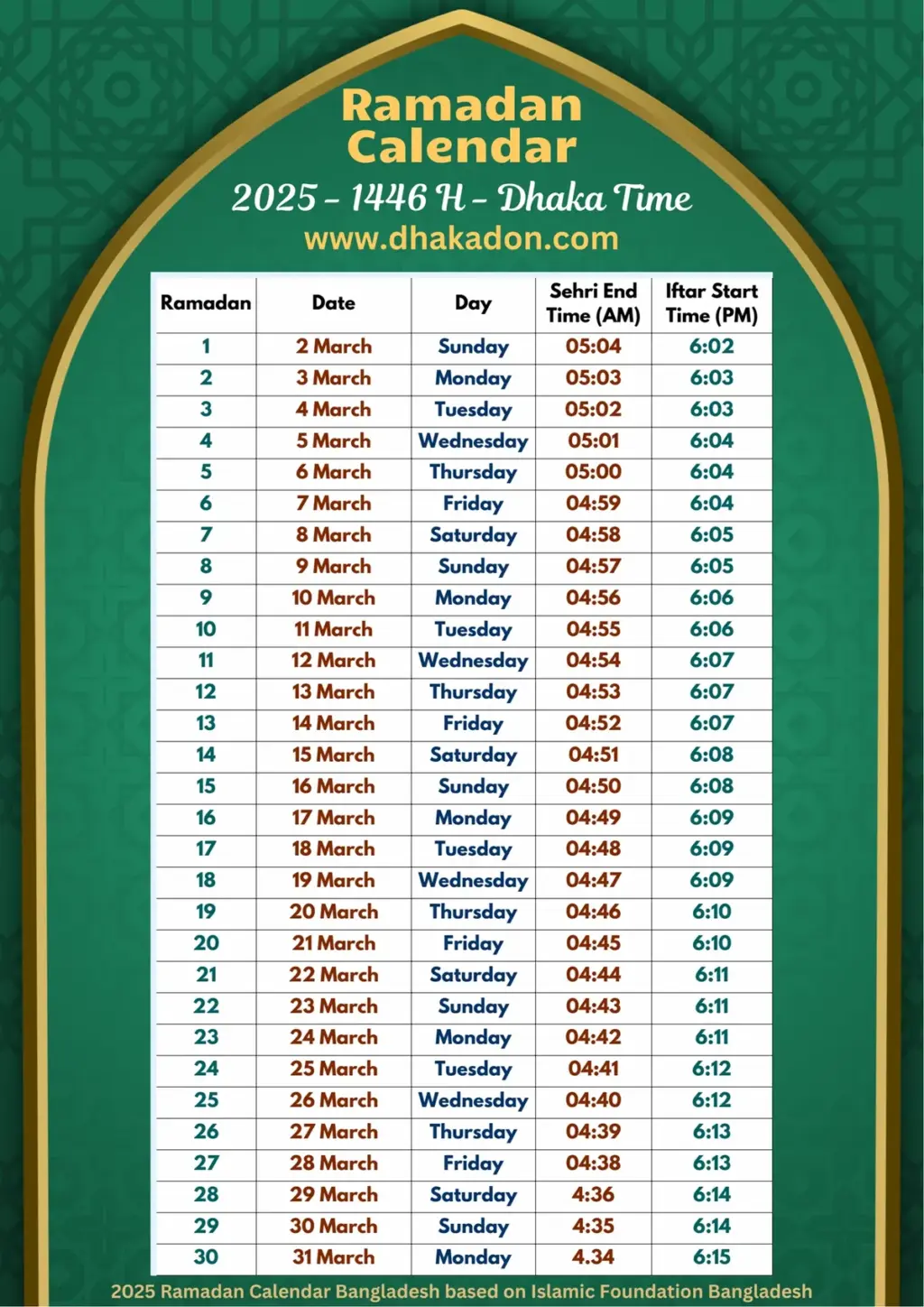
As Ramadan progresses, millions of Muslims around the world eagerly anticipate the moment known as iftar time, which marks the breaking of their daily fast. This year, Ramadan began in February 2026, and on February 24, the seventh day of fasting, iftar will occur at 6:28 PM, reported by various sources. The timing of iftar varies by location and shifts daily as the sun sets later each evening.
Why It Matters
Iftar is not merely a meal; it represents a collective experience that fosters community and connection among Muslims. As the sun dips below the horizon, families and friends gather to break their fast together, synchronized by the Maghrib call to prayer. This ritual disrupts the solitary nature of modern life, emphasizing the importance of shared time and the spiritual nourishment that comes from communal meals. The anticipation of iftar serves as a daily test of patience and discipline, reinforcing the values of unity and reflection during Ramadan.
What’s Next
As Ramadan continues, Muslims will observe the changing iftar times, which will gradually extend as the days lengthen. Communities are encouraged to consult local timetables to ensure they break their fast at the correct time. This shared experience will continue to unite individuals across different regions, highlighting the significance of togetherness during this sacred month.