The Importance of Understanding Phishing
Phishing is an increasingly common cyber threat that targets individuals and organizations alike. With the rise of digital communication, the methods used by cybercriminals have become more sophisticated, making it essential for users to recognize phishing attempts. Understanding what phishing is and how to protect oneself is crucial in our technology-driven world.
What is Phishing?
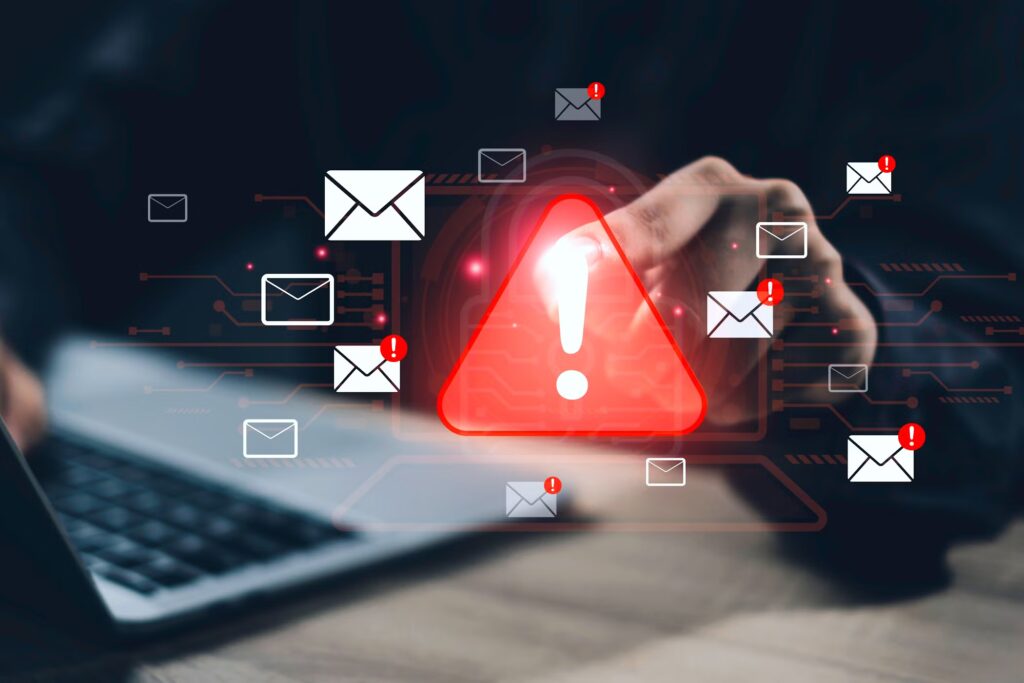
Phishing is a type of cyber attack where attackers impersonate legitimate entities, typically through email, to deceive individuals into providing sensitive information such as passwords, credit card numbers, or personal identification. In 2022 alone, phishing attacks were responsible for 36% of all data breaches, according to the Identity Theft Resource Center.
Types of Phishing Attacks
Phishing can take many forms, including:
- Email Phishing: This is the most common form, where fraudulent emails appear to come from trusted sources.
- Spear Phishing: Unlike general phishing attempts, spear phishing targets specific individuals or organizations, often using personalized information to increase credibility.
- Smishing: This is a form of phishing that occurs via SMS messages, enticing users to click on malicious links.
- Voice Phishing (Vishing): This type involves telephone calls where the attacker poses as a legitimate entity to extract sensitive information.
Recent Trends in Phishing
Recent reports indicate an alarming increase in phishing schemes that utilize artificial intelligence to create more convincing fake communications. In 2023, the Anti-Phishing Working Group reported a 28% increase in unique phishing websites, highlighting the growing sophistication of these attacks. As cybercriminals continue to adapt, it is imperative for users to remain vigilant.
How to Protect Yourself from Phishing
To safeguard against phishing attacks, consider the following best practices:
- Always verify the sender’s email address before clicking on links.
- Look out for generic greetings and spelling errors, which are often signs of a phishing attempt.
- Use multi-factor authentication for sensitive accounts.
- Educate yourself about common phishing scams and stay informed on cybersecurity trends.
Conclusion
In conclusion, understanding what phishing is and how to recognize its different forms is essential for everyone in today’s digital age. As cyber threats continue to evolve, maintaining awareness and implementing strong security practices can greatly reduce the risk of falling victim to these malicious attacks. By taking proactive measures, individuals can protect themselves and their sensitive information from phishing threats.