Introduction
Power outages have become a growing concern across Canada, especially in light of recent extreme weather events and increasing dependence on electricity. These disruptions not only affect daily routines but also pose significant challenges to public safety, healthcare services, and economic stability. With climate change contributing to more severe storms and extreme conditions, understanding the causes and implications of power outages is more relevant than ever.
Recent Events and Causes
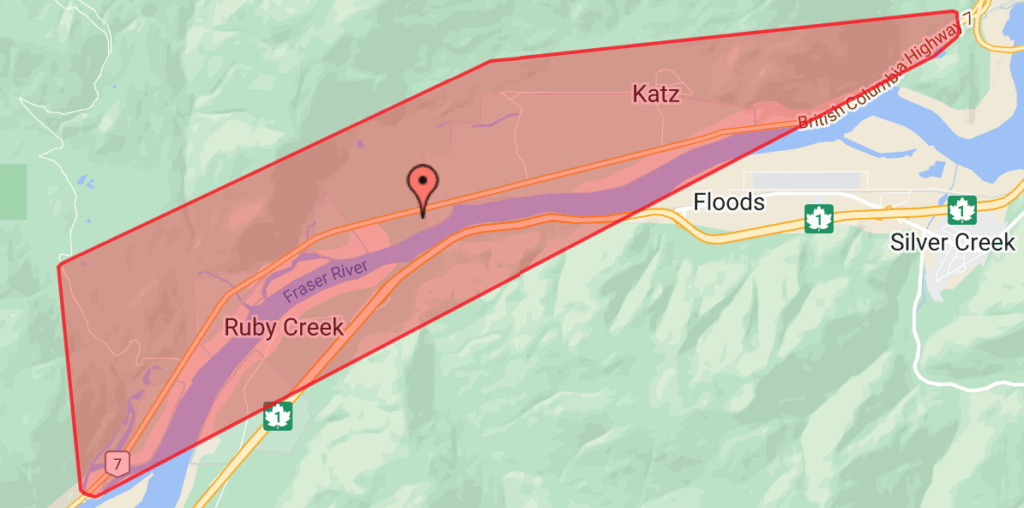
In the last month, several provinces have experienced substantial power outages due to severe weather, including heavy snowfalls and ice storms. For instance, in early November 2023, over 200,000 customers in Quebec and Ontario were left without power for several days after a series of snowstorms caused widespread damage to utility lines. A similar situation was reported in British Columbia, where intense wind storms downed trees and power lines, resulting in significant disruptions.
According to Statistics Canada, in 2022, Canada experienced over 250 major power outages, with natural disasters often cited as the primary cause. Additionally, infrastructure aging is becoming a key factor: many power grids across the country were designed decades ago and may not be equipped to handle the current strain of demand combined with unpredictable weather patterns.
Implications for Safety and Services
The consequences of a power outage can extend beyond mere inconvenience. Hospitals and emergency services rely heavily on consistent power for machinery and patient care. During outages, backup generators are crucial but can occasionally fall short, particularly during extensive blackouts. Furthermore, food safety becomes a concern as refrigeration failures can lead to spoilage of perishable goods, creating a public health risk.
Preparedness and Future Outlook
It is essential for Canadians to be prepared for potential power outages, especially as forecasts indicate a rise in severe weather patterns linked to climate change. Emergency preparedness plans, which include maintaining an emergency kit stocked with food, water, and medications, can significantly mitigate risk during outages. Local utilities often provide updates on power restoration timelines and offer advice on staying safe during prolonged outages.
Looking ahead, investment in modernizing power infrastructure and diversifying energy sources such as wind and solar could enhance system resilience. The Canadian government has announced initiatives aimed at upgrading electrical grids and integrating smart technologies to better manage power distribution.
Conclusion
Power outages are a complex issue that highlights the need for robust infrastructure and emergency preparedness in Canada. By understanding the underlying causes and implications, residents can take actionable steps towards safeguarding their families and communities. As climate change continues to impact our weather patterns, being proactive and informed about power outages will remain crucial in ensuring both safety and stability across the nation.