Introduction
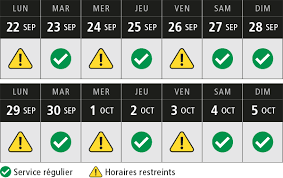
The ongoing STM (Société de transport de Montréal) Info Grève highlights significant challenges impacting public transit services in Canada’s second-largest city. As Montreal grapples with union negotiations and staffing shortages, the ramifications for commuters and businesses are becoming increasingly pronounced. Understanding the context and development of these labor disputes is crucial for both residents and visitors who rely on STM services.
The Current Situation
In recent weeks, STM has faced a series of disruptions due to strikes by transit workers demanding better wages and working conditions. The Montreal transit union has approached negotiations with the STM, seeking improvements to contracts that have not seen substantial changes over the past few years. Reports indicate that workers are frustrated with long hours, insufficient staffing, and safety concerns related to both physical and mental health.
The situation escalated when union representatives announced strike action to protest the slow pace of negotiations. In response, STM has put contingency plans in place, including deploying additional staff at key transit stations and encouraging riders to consider alternative transportation means. Despite these efforts, complaints from commuters have surged as services remain unpredictable and overcrowded during peak hours.
Impact on Commuters
The ramifications of the STM Info Grève extend beyond simple inconvenience. Many commuters who depend on public transit to reach employment, educational institutions, and appointments are experiencing disruptions that can lead to lateness or missed opportunities. Local businesses that rely on foot traffic have also reported declines in sales, as customers may opt for other forms of transportation to avoid the unpredictable service.
Moreover, these labor disputes have renewed conversations around the importance of maintaining robust public transit systems in urban centers. Experts emphasize that reliable transit options are vital for economic well-being and reducing car dependency, signaling the need for sustainable solutions to labor tensions.
Conclusion
The ongoing STM Info Grève underscores the challenges facing public transit in Montreal, highlighting the critical need for dialogue between transit authorities and workers. As negotiations continue, the hope remains that an agreement can be reached that prioritizes the welfare of both transit workers and commuters alike. Looking to the future, resolving these issues will be vital not only for sustaining public transit services but also for maintaining the economic vitality of the city.