Introduction
The ongoing General Strike in Alberta highlights crucial issues of workers’ rights and labor relations in the province. As Alberta’s workforce grapples with rising costs of living and demands for better wages and working conditions, the strike has garnered significant attention from both the public and policymakers. Understanding the context and implications of this strike is essential for Albertans and all Canadians, as it reflects broader national trends regarding labor disputes and workers’ rights.
Current Events and Background
The General Strike, initiated on October 1, 2023, was called by various labor unions in response to the Alberta government’s refusal to negotiate a living wage for essential workers. Over 50,000 workers across multiple sectors—including healthcare, education, and public transportation—have walked off the job, demanding fair compensation for their services.
Union leaders have articulated that many workers have experienced stagnating wages, which have failed to keep pace with inflation. The strike began to escalate after failed attempts to reach agreements through traditional negotiations, prompting unions to adopt more drastic measures to make their voices heard.
Events During the General Strike
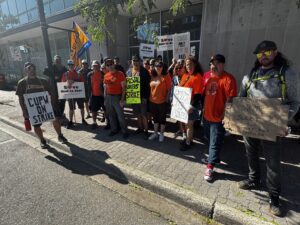
During the first week of the strike, demonstrations took place in major cities like Edmonton and Calgary, with thousands of participants advocating for better pay and working conditions. Local businesses have also expressed support for the workers, emphasizing the need for fair wages to stimulate the economy. However, the strike has also caused disruptions in essential services, leading to concerns about public safety and the delivery of services such as healthcare and education.
The Alberta government has responded by expressing disappointment over the strike’s escalation and has urged unions to return to the bargaining table. In an effort to address the situation, the government announced it would hold emergency consultations with labor leaders to seek a resolution, but union representatives argue that these measures are insufficient and show a lack of commitment to workers’ issues.
Conclusion and Significance
The General Strike in Alberta serves as a pivotal moment in the ongoing struggle for workers’ rights and fair compensation. It underscores the frustrations faced by many employees in an era of increasing living costs and economic uncertainty. As the situation develops, the outcome of this strike could have significant implications not just for Alberta but also for labor movements across Canada.
Looking ahead, analysts suggest that the response from the government and the effectiveness of union negotiations will impact future public opinion on labor issues. For many, the importance of this strike could redefine labor relations in Alberta, paving the way for increased advocacy and potential reforms in labor laws to protect worker rights.