Introduction
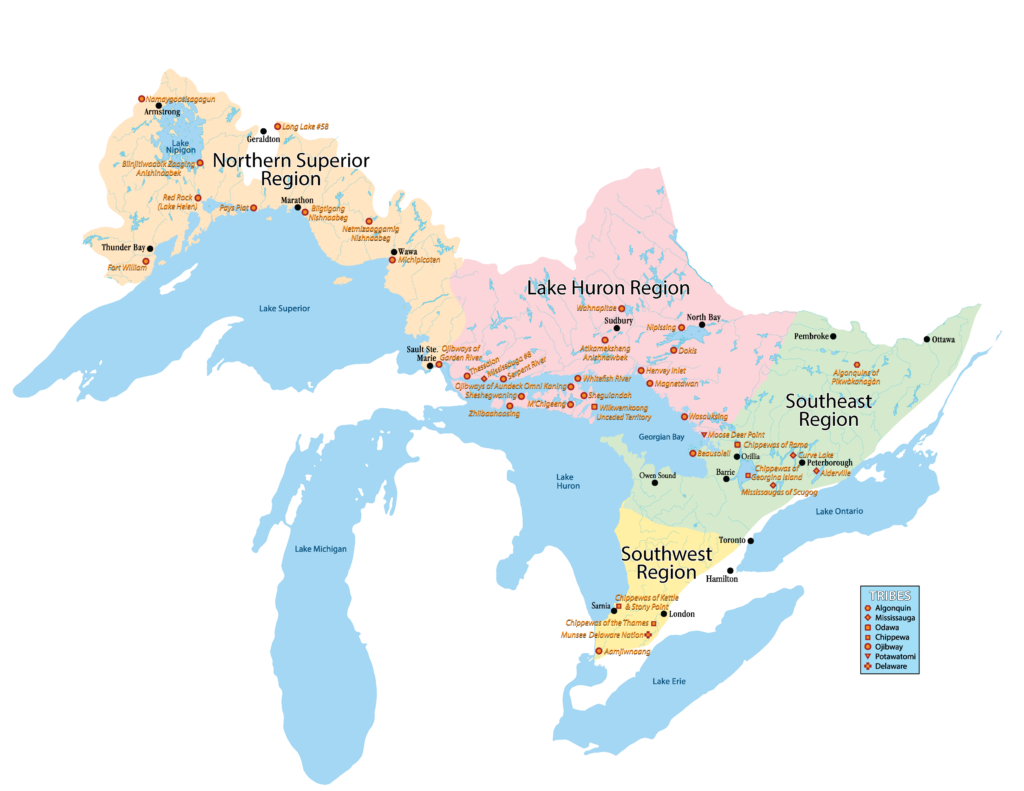
The Great Lakes, comprising Lake Superior, Lake Michigan, Lake Huron, Lake Erie, and Lake Ontario, are not only the largest group of freshwater lakes in the world but also a critical resource for millions of people. Their economic, environmental, and recreational significance makes it crucial for both citizens and policymakers to recognize their importance in North America.
Economic Impact
The Great Lakes region contributes significantly to the economy of both Canada and the United States. Covering parts of eight states and the province of Ontario, the lakes facilitate trade through their navigable waters, supporting shipping routes that transport goods across the continent. According to the Great Lakes Commission, shipping activities on the Great Lakes generate over $3 billion in economic output per year, underlining their role as a linchpin of commercial activity.
Environmental Significance
The ecological health of the Great Lakes is vital for biodiversity. They are home to over 350 species of fish and provide habitats for numerous wildlife species. However, challenges such as pollution, invasive species, and climate change threaten the delicate balance of this ecosystem. Efforts to combat these issues are underway, including federal and provincial initiatives aimed at restoring water quality and preserving natural habitats.
Recreational Opportunities
The Great Lakes also offer a plethora of recreational activities, including boating, fishing, swimming, and hiking. They attract millions of tourists each year, who contribute to local economies while enjoying the natural beauty of the region. National and provincial parks, along with numerous beaches, provide spaces for outdoor enthusiasts to connect with nature, further emphasizing the lakes’ significance as a recreational resource.
Conclusion
The Great Lakes are a vital component of North America’s natural and economic landscape. As we face increasing environmental challenges and a changing climate, it is imperative to prioritize the health of these lakes for future generations. Continued conservation efforts and sustainable practices will ensure that the Great Lakes remain a source of prosperity and enjoyment, reinforcing their status as a treasured national asset. Stakeholders from various sectors must collaborate to protect and enhance this invaluable resource, which holds significant promise for the ecological and economic future of the region.