Introduction
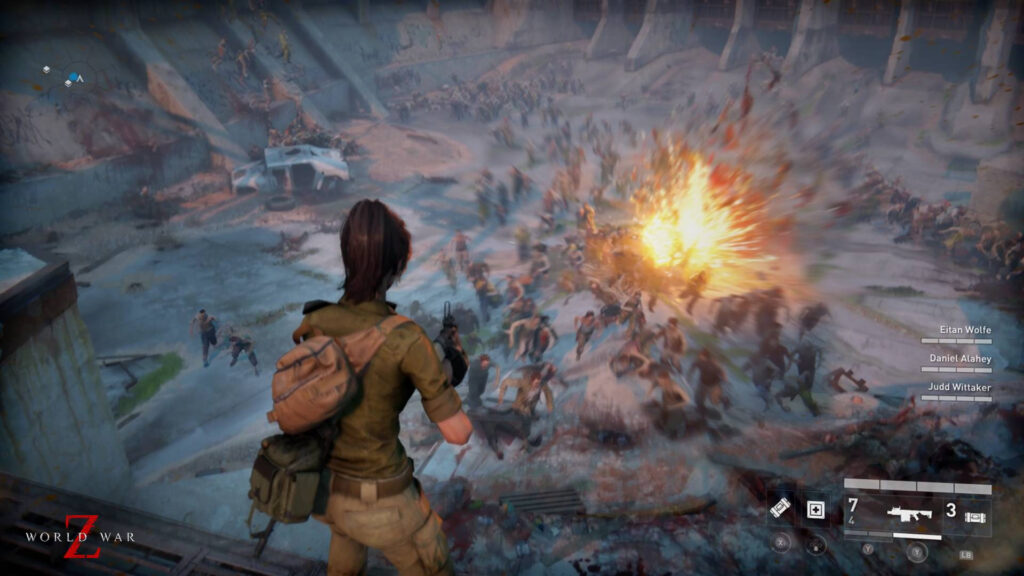
World War Z, a novel by Max Brooks published in 2006, has gained significant attention in recent years, especially with its adaptation into a successful film starring Brad Pitt in 2013. The narrative explores the global effects of a zombie pandemic, serving as a metaphor for the social, political, and environmental crises that affect our contemporary world. The relevance of World War Z extends beyond fiction, as it prompts discussions on preparedness for real-world disasters, making it an important topic in both literature and societal discourse.
Events and Cultural Impact
The original novel is structured as an oral history, compiling firsthand accounts of the zombie apocalypse from various perspectives around the globe. This format has allowed readers to engage deeply with the diverse experiences faced by individuals during a catastrophic event. The film adaptation took creative liberties, offering a more action-packed and visually engaging retelling. While the movie diverged from the book, it still highlighted themes of survival, human resilience, and global cooperation during crises.
In the wake of the COVID-19 pandemic, World War Z’s themes have resonated with many. The book’s exploration of viral outbreaks, societal collapse, and the struggle for survival mirrors the realities that societies faced as they navigated through lockdowns, health emergencies, and a need for unity. The parallels have sparked renewed interest in both the book and the film, prompting discussions about preparedness and response strategies for pandemics.
Conclusion
As we reflect on World War Z, it is clear that its significance goes beyond mere entertainment. The novel and its adaptations encourage us to consider how we, as a global community, can respond to crises effectively. The continuing relevance of World War Z serves as a reminder of the challenges ahead, urging readers and viewers to think critically about preparedness in the face of calamity. As climate change, pandemics, and geopolitical tensions become increasingly prevalent, the lessons drawn from World War Z could prove to be invaluable for future generations.