Introduction
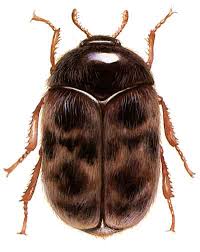
The khapra beetle (Trogoderma granarium) has emerged as a significant pest in agricultural contexts around the world, notably affecting grain stores and leading to considerable economic losses. Originally from India, this invasive species has made its way to various locations, raising alarms among agricultural experts and farmers in Canada. As this pest continues to spread, understanding its characteristics, impact, and management becomes increasingly essential for safeguarding local crops and trade.
The Impact of the Khapra Beetle
The khapra beetle is notorious for its ability to infest stored food products, consuming items such as grains, flour, and various cereals. A report from the Canadian Food Inspection Agency (CFIA) indicates that these beetles can rapidly multiply under suitable conditions, with females capable of laying up to 250 eggs in a lifetime. This reproductive efficiency allows infestations to escalate quickly, making early detection crucial.
In Canada, the khapra beetle has yet to establish a widespread population; however, the potential for infestation poses risks to food security and agricultural exports. The Canadian grain industry, which relies heavily on the international market, faces stricter import regulations if khapra beetle populations are detected within its borders. A recent advisory from the CFIA emphasized the need for vigilant monitoring and rapid response strategies should sightings occur.
Control Measures and Management
Effective management of the khapra beetle involves a combination of preventive measures and treatment techniques. Farmers are encouraged to maintain high standards of sanitation in grain storage facilities, ensuring that all stored products are clean and free from pest larvae and eggs. Regular inspections and monitoring are also vital. Tools such as pheromone traps can help detect the presence of these beetles before they become an issue.
In the event of an infestation, management strategies may include the use of insecticides or fumigation, although these should be applied according to guidelines established by pest control and agricultural experts to minimize environmental impact and avoid resistance development.
Conclusion
The rise of the khapra beetle is a critical concern that highlights the vulnerabilities within Canada’s agricultural sector. Vigilance and proactive measures by farmers and industry stakeholders are essential in combating this invasive pest. Ongoing research and public awareness campaigns will play key roles in educating the agriculture community about effective management strategies. By staying informed and united, Canada can work to prevent the establishment of the khapra beetle and protect its agricultural landscape for the future.