Introduction
The US jobs report is a critical indicator of economic health, offering insights into employment trends, wage growth, and labor market dynamics. As one of the key metrics closely monitored by policymakers, economists, and job seekers, the report’s findings can influence decisions on interest rates, investments, and employment strategies. The latest report, released by the Bureau of Labor Statistics (BLS) on October 6, 2023, offers a comprehensive overview of the state of the job market amidst ongoing economic changes.
Current Job Market Conditions
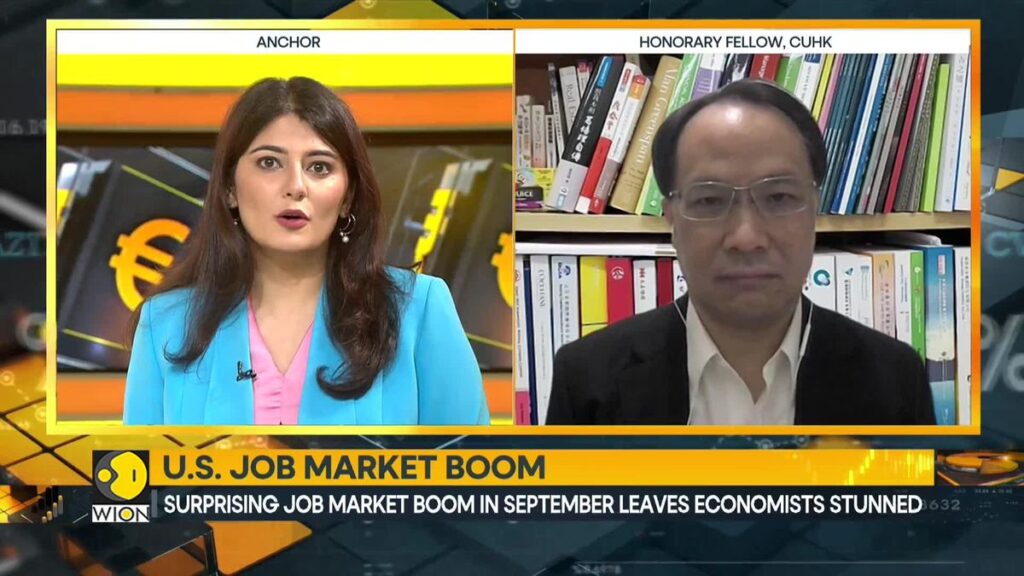
The October jobs report reveals that the US economy added 263,000 jobs in September, a figure that surpasses analysts’ expectations. The unemployment rate held steady at 3.8%, reflecting a resilient job market despite inflationary pressures and global uncertainties. Notably, sectors such as healthcare, leisure and hospitality, and construction experienced significant growth, indicating a continued recovery from the pandemic’s impacts. Furthermore, wage growth accelerated, with average hourly earnings rising by 0.3% month over month, contributing to an annual increase of 4.1%.
Sector Performance
The report highlights key sectoral contributions to job growth. Healthcare saw an increase of 57,000 jobs, driven by demand for both hands-on care and administrative roles. The leisure and hospitality sector added 48,000 positions, benefiting from the continued rebound in travel and dining out as restrictions lift. In contrast, the manufacturing sector experienced a slight decline, shedding approximately 6,000 jobs, hinting at challenges stemming from supply chain disruptions and reduced consumer demand.
Implications for the Economy and Job Seekers
For the Federal Reserve, the robust job growth underscores the need for careful monetary policy adjustments. While a strong job market is generally positive, it raises concerns over wage inflation, prompting discussions on potential interest rate hikes in the future. For job seekers, the latest report suggests that opportunities remain abundant across various industries, though applicants may face competition in more sought-after roles. Additionally, the persistent wage growth represents a positive signal for workers seeking better compensation.
Conclusion
The US jobs report serves as a vital barometer for the nation’s economic conditions and labor market health. As the employment landscape evolves, understanding these trends becomes increasingly important for stakeholders at all levels. Moving forward, businesses and policymakers will closely monitor these developments to adapt to a changing economy, while job seekers will need to leverage their skills and experience to navigate the competitive job market effectively.