The Importance of Moon Phases
The moon is a constant presence in our night sky, and its phases have captivated human curiosity for centuries. As the moon travels through its cycle, it goes through eight primary phases, each with varying illumination levels that can influence not only natural phenomena, like tides and animal behaviors, but also cultural events and personal activities.
Current Moon Phase on October 3, 2023
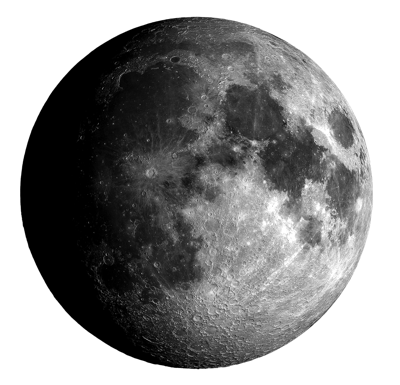
As of today, October 3, 2023, the moon is in the Waxing Gibbous phase. This phase occurs approximately 10 to 14 days after the New Moon, where the moon is more than half illuminated but not yet a Full Moon. It typically signifies growth and development, making it an auspicious time for planting and starting new projects in agricultural communities.
Effects of the Waxing Gibbous Phase
During the Waxing Gibbous phase, the increasing light of the moon is believed to have various effects on Earth. Farmers often refer to this period as a favorable time for tilling soil and planting seeds, as the moon’s light encourages growth. Similarly, marine life, particularly spawning fish, aligns their activities with lunar cycles, prompting a more significant catch during fishing expeditions.
Lunar Observations and Cultural Significance
The cultural significance of moon phases transcends different societies. The Waxing Gibbous is often tied to themes of fertility, joy, and invention in various mythologies. For many cultures, including Indigenous tribes across Canada, the moon serves as a guide for spiritual practices and agricultural calendars. Festivals and rituals may also be scheduled based on the moon’s phases, showcasing its importance in cultural heritage.
Future Phases to Anticipate
Looking ahead, the moon will transition into the Full Moon phase on October 5, 2023. This phase symbolizes completion and harvest, and events such as the Full Hunter’s Moon, which is traditionally the time for gathering the last harvest of the year, will take place. Understanding these lunar transitions can help individuals and communities better prepare and adapt to the natural rhythms of their environment.
Conclusion
The moon phase today not only serves as an astronomical event but also as a marker of cultural and environmental significance. For Canadians, being aware of these phases can enhance agricultural practices, fishing efforts, and cultural festivals. Keeping track of lunar cycles allows for a deeper connection to nature and its influence on our daily lives.