Introduction to Nipah Virus
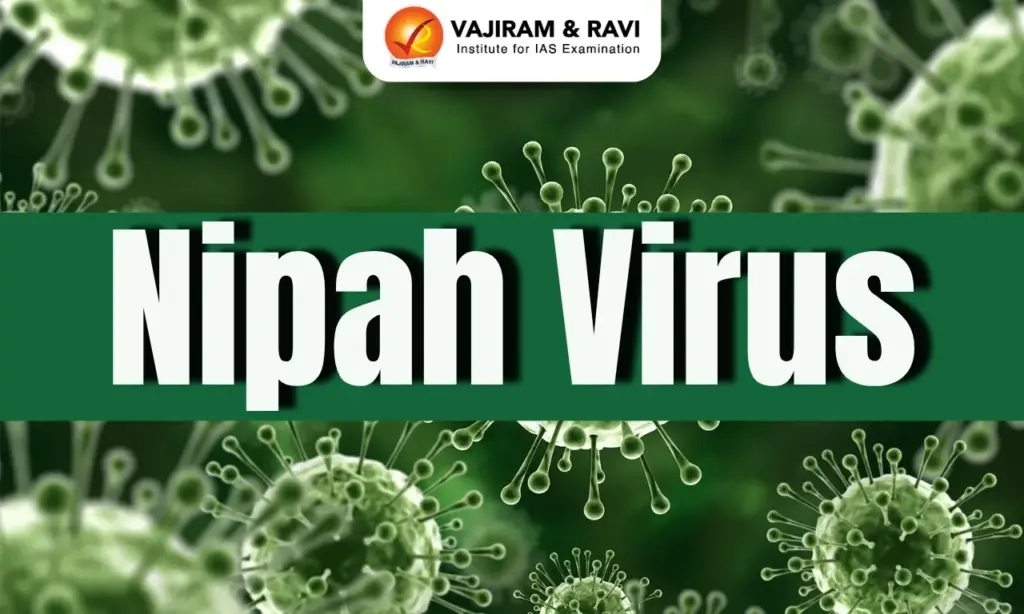
The Nipah virus, a zoonotic pathogen first identified in Malaysia in 1998, has raised global health concerns due to its high mortality rate and potential for human-to-human transmission. As outbreaks are reported, understanding this virus’s behavior, transmission modes, and preventive measures becomes increasingly important for public health and safety.
Recent Outbreaks and Developments
In 2023, outbreaks in Southeast Asia, particularly in India and Bangladesh, have brought the Nipah virus back into the spotlight. Reports indicate that as of September 2023, India has confirmed several cases, prompting health authorities to implement rigorous contact tracing and quarantine measures to contain the spread.
The World Health Organization (WHO) has been actively monitoring these situations and has designated Nipah virus as a priority pathogen due to its potential for escalation towards a pandemic scenario. Research indicates that while initial cases are often linked to fruit bats, sustained human outbreaks predominantly occur through caregiver-to-patient transmission.
Transmission and Symptoms
Nipah virus is known for its severe effects on health; symptoms typically range from flu-like conditions such as fever and headache to more severe neurological symptoms. Some patients experience encephalitis, a potentially fatal condition that presents significant challenges for medical professionals.
The virus primarily spreads through direct contact with infected animals or their secretions, as well as through consumption of contaminated fruits. Human-to-human transmission has now become a major mode of spreading, raising alarm among healthcare workers who treat infected patients.
Importance of Preparedness and Response
Preventive measures are critical in managing the outbreaks. Public health officials emphasize the need for community awareness and initiate health education programs. Vaccination developments are also underway, with research focused on creating effective vaccines to prevent infection in humans, particularly those in high-risk areas.
Conclusion
The Nipah virus presents significant challenges owing to its high mortality rate and potential for transmission, necessitating prompt action from health authorities. The rising cases in 2023 signal an urgent need for equipped healthcare systems and public awareness campaigns. As research continues, the significance of monitoring and early intervention strategies cannot be overstated. In the global context, maintaining vigilance against emerging pathogens like Nipah virus is crucial for safeguarding public health.