Introduction
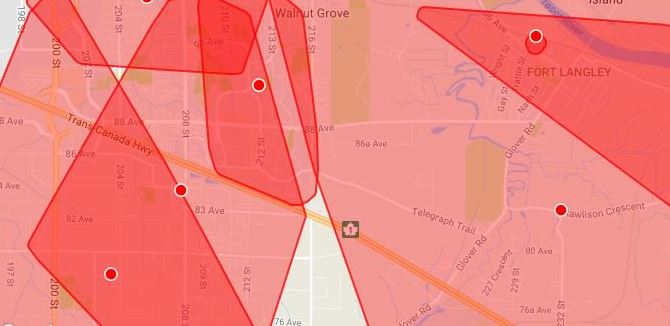
On October 15th, residents of Langley, British Columbia experienced a significant power outage that left over 5,000 homes without electricity for several hours. Understanding the causes and the impact of such outages is crucial for residents and local authorities, especially as climate change and aging infrastructure increasingly challenge power systems.
Details of the Outage
The outage began around 2:30 PM, with the majority of affected areas in Aldergrove and Brookswood. BC Hydro reported that strong winds and heavy rainfall may have contributed to the incident, as several downed trees and power lines were observed in the vicinity. Crews were deployed rapidly to restore power, and by approximately 6:00 PM, most residents had their electricity reinstated. However, some areas faced delays due to extensive damage reported in their local infrastructure.
Response and Recovery
BC Hydro issued updates throughout the day via social media platforms and their website to keep residents informed of the situation. Local emergency services also activated protocols to assist residents who were particularly vulnerable during the outage, including the elderly and those with medical requirements. Community centers opened to provide a warm place for those seeking refuge from the cold weather.
Future Implications
This recent power outage raises concerns regarding the resilience of Langley’s electricity grid. Experts suggest that as climate patterns become more unpredictable, communities like Langley need to invest in upgrading their electrical infrastructure. Local government officials are expected to conduct a thorough review of the power grid and prioritize improvements to enhance reliability and mitigate future risks.
Conclusion
The October power outage in Langley serves as a reminder of the vulnerabilities in our energy systems. Continued dialogue between residents, local authorities, and utility providers will be essential to prepare for and manage similar events in the future. As weather-related disruptions increase in frequency, proactive measures must be initiated to safeguard community resilience and ensure that essential services remain operational during emergencies.