Introduction
Remembrance Day, observed on November 11 each year, holds significant importance in Canada as a day to honour and remember the sacrifices made by members of the armed forces. This solemn day not only pays tribute to the fallen soldiers but also fosters a sense of national pride and collective memory within Canadian society. As the nation continues to reflect on its military history, Remembrance Day serves as a poignant reminder of the costs of freedom and the value of peace.
The Historical Context
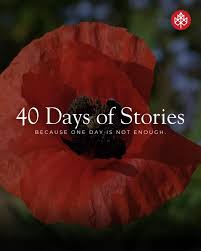
Remembrance Day originated after World War I, formally known as Armistice Day, commemorating the armistice that ended the conflict on November 11, 1918. In Canada, it was first observed in 1919, and since then, it has become a significant annual observance across the country. The red poppy, a symbol of remembrance, was inspired by the poem ‘In Flanders Fields’ written by Lieutenant Colonel John McCrae, a Canadian physician, and soldier.
Current Observations
In 2023, Canadians from coast to coast participated in ceremonies that take place in major cities, towns, and local communities. The day is marked by various activities, including memorial services, wearing poppies, and the two minutes of silence at 11 a.m. Many people gather at war memorials to pay their respects and hear speeches from veterans, local leaders, and community members. This year, special attention has been given to recognizing the contributions of Indigenous veterans, who have played a crucial role in Canada’s military history.
Challenges in Observance
As the years pass, the significance of Remembrance Day faces the challenge of maintaining relevance among younger generations who may not have a direct connection to the wars or military service. Educational initiatives are crucial in ensuring that the sacrifices made by service members are not forgotten. Schools across Canada are integrating lessons on the history of military conflicts and the importance of remembrance into their curriculum, aiming to instill a sense of respect and gratitude in children from an early age.
Conclusion
As Canadians observe Remembrance Day, it serves as a powerful reminder of the resilience of the human spirit in the face of conflict and the importance of peace. With ongoing educational efforts, future generations can carry forward the legacy of remembrance, ensuring that the sacrifices of those who served are honored and that the lessons learned from the past are never forgotten. The day encourages every Canadian to pause, reflect, and engage in acts of kindness and solidarity, fostering a country united in remembrance.