Introduction to Virus Nipah
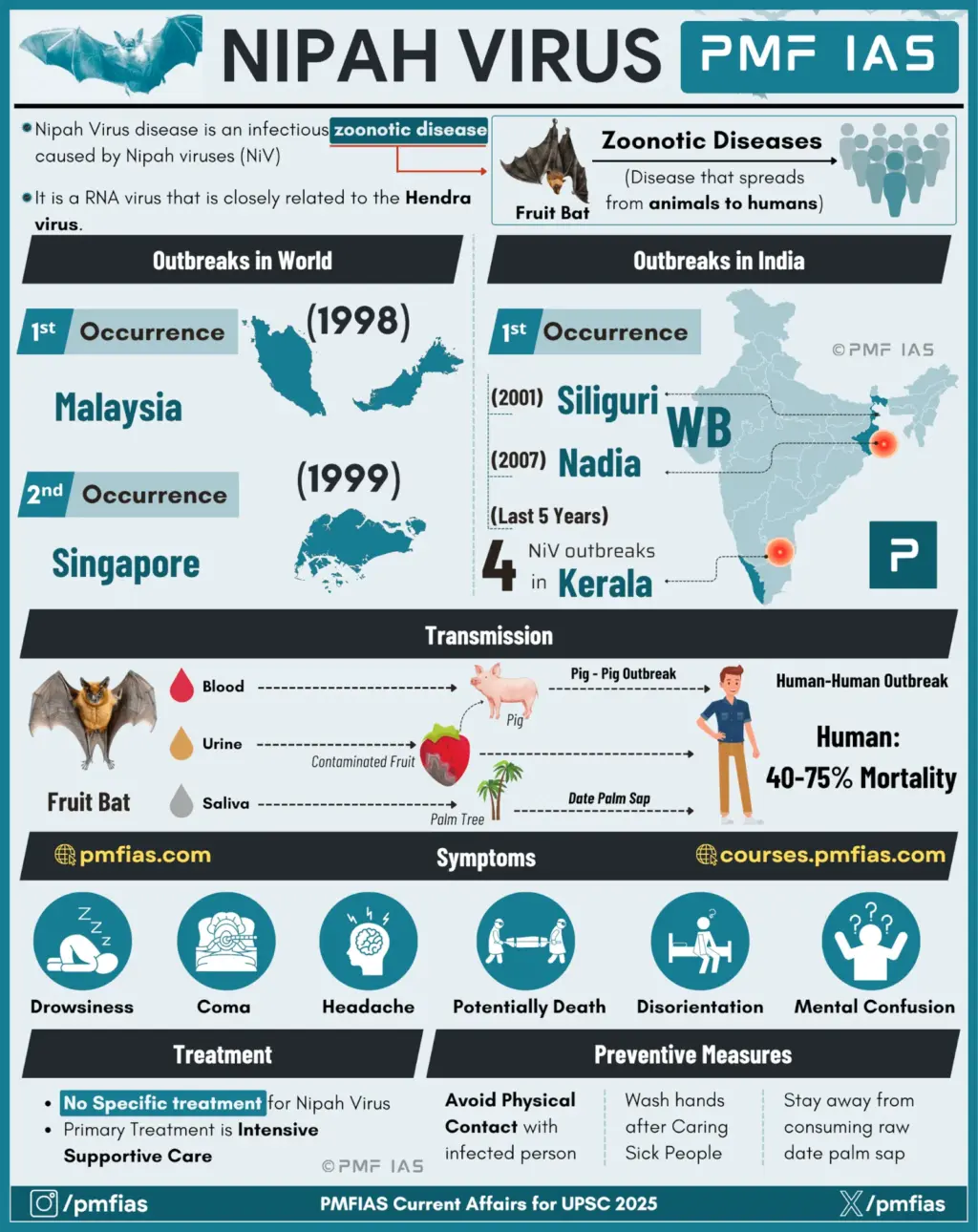
Virus Nipah, first identified in Malaysia in 1998, has emerged as a significant infectious threat with a deadly track record. This zoonotic virus, transmitted from animals to humans, is known for causing severe respiratory illness and encephalitis, with a high fatality rate of around 40% to 75% in humans. Its resurgence in recent years has raised public health concerns globally.
Recent Outbreaks and Response
In 2023, a resurgence of Virus Nipah was reported in Kerala, India, where local health authorities confirmed multiple cases linked to direct contact with infected bats or pigs. The state has ramped up surveillance, contact tracing, and public awareness campaigns to prevent further spread. The World Health Organization (WHO) emphasizes the necessity of containment measures, given the rapid transition from animal reservoirs to human cases.
Public Health Implications
The economic and health implications of Virus Nipah outbreaks can be devastating. Affected regions often face not only health crises but also socioeconomic turmoil due to quarantines and agricultural impacts. Crop losses, particularly among fruit farms where bats roost, affect local economies. Continuous monitoring and research into vaccines, as well as improved outbreak response protocols, is vital.
Conclusion: Looking Ahead
As climate change and urbanization continue to alter the natural habitats of bats and other wildlife, the potential for zoonotic diseases like Virus Nipah to emerge remains high. The need for global vigilance, enhanced surveillance systems, and international cooperation has never been more crucial. They are key to mitigating the risks associated with future outbreaks. Public education and investment in health infrastructure will be central in managing the ongoing threat of this dangerous virus.