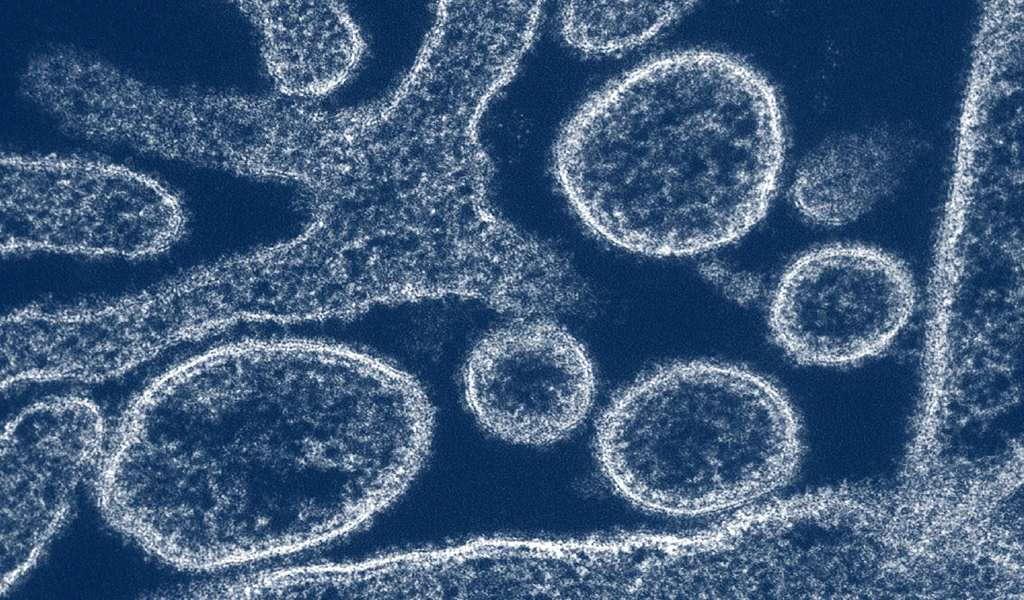
Introduction to Virus Nipah
Virus Nipah, a zoonotic virus first identified in 1999, has emerged as a significant concern for public health globally. Originating from fruit bats, the virus can infect both animals and humans, leading to severe respiratory illnesses and neurological complications. Its re-emergence and increasing cases highlight the urgent need for understanding and addressing this health threat.
Current Situation and Incidents
As of October 2023, several outbreaks of Virus Nipah have been reported in South Asian countries, including India and Bangladesh. The World Health Organization (WHO) has indicated a rise in infection rates during the monsoon season when bats and other species interact more frequently. In early September, India reported its first case of Nipah virus this year, resulting in heightened surveillance and community health responses.
The Nipah virus is primarily transmitted through direct contact with infected animals or contaminated food products. Human-to-human transmission can also occur, particularly among close contacts, leading to family clusters during outbreaks.
Impact on Health Systems
The resurgence of Virus Nipah places additional pressure on already strained health systems in affected countries. With a case fatality rate ranging from 40% to 75%, the virus poses a substantial risk, especially to those with underlying health conditions. Public health authorities are implementing preventive measures, including awareness campaigns about avoiding exposure to infected animals and ensuring safe food consumption practices.
Preventive Measures and Future Outlook
Preventive strategies focusing on community awareness and early detection are crucial for managing Nipah virus outbreaks. Researchers are also exploring vaccine development options, which could be paramount in preventing future infections and controlling outbreaks. Increased investment in research, along with global cooperation, is necessary to combat the threat of Virus Nipah effectively.
Conclusion
Virus Nipah remains a potent concern in public health, with recent outbreaks illustrating its potential for rapid transmission and high mortality. Ongoing global efforts to monitor this virus are essential to detect and manage future incidences. With enhanced vigilance and community education, the risks associated with Virus Nipah can be mitigated, safeguarding public health and ensuring a coordinated response in the face of emerging infectious diseases.