Introduction
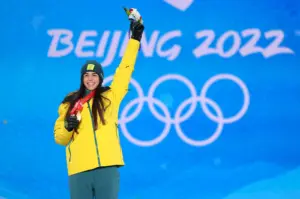
Valérie Maltais, a prominent figure in Canadian winter sports, is making headlines not just for her achievements as a short track speed skater, but also for her influence in promoting the sport. With the winter sports community increasingly looking towards the upcoming 2026 Winter Olympics, Maltais takes on a pivotal role both as an athlete and as a source of inspiration for aspiring athletes.
Career Highlights
Born on June 6, 1989, in La Baie, Quebec, Maltais has established herself as one of Canada’s most successful short track speed skaters. She made her mark by winning a bronze medal at the 2014 Winter Olympics in Sochi as part of the women’s 3000m relay team. Additionally, her record includes multiple gold medals in both World Championship and World Cup events, showcasing her competitive edge and skill.
In a remarkable turn of events, Maltais decided to transition from short track to long track speed skating, demonstrating her versatility and commitment to the sport. She has already started to carve out a niche in the long track arena, solidifying her position as a dual-threat athlete in winter sports. Her participation in both forms of skating not only amplifies her athletic prowess but also sets a precedent for multi-discipline athletes.
Current Events and Future Prospects
As of late 2023, Maltais has been actively training for the World Cup circuit and preparing for the next Olympic Games in Italy. The decision to compete in long track is being closely followed by fans and experts alike, who are eager to see how her skills translate to this newer format of racing. With the winter season approaching, her training regimen has intensified, and she is focusing on building endurance and technique to ensure peak performance.
In addition to her athletic career, Maltais is an advocate for mental health in sports, frequently sharing her experiences and emphasizing the importance of psychological resilience among athletes. Her commitment to mental health awareness resonates with many in the sports community, and she has built a support network that encourages dialogue around the pressures faced by athletes.
Conclusion
Valérie Maltais continues to be a beacon of excellence and motivation in the world of winter sports. Her transition from short track to long track reveals her dedication to pushing the boundaries of her athletic capabilities. As she gears up for the upcoming competitions, audiences and supporters are keenly watching her progress, eager to witness her journey toward another Olympics. Maltais not only represents the strength and skill of Canadian athletes but also emphasizes the values of resilience and advocacy within the sports community.