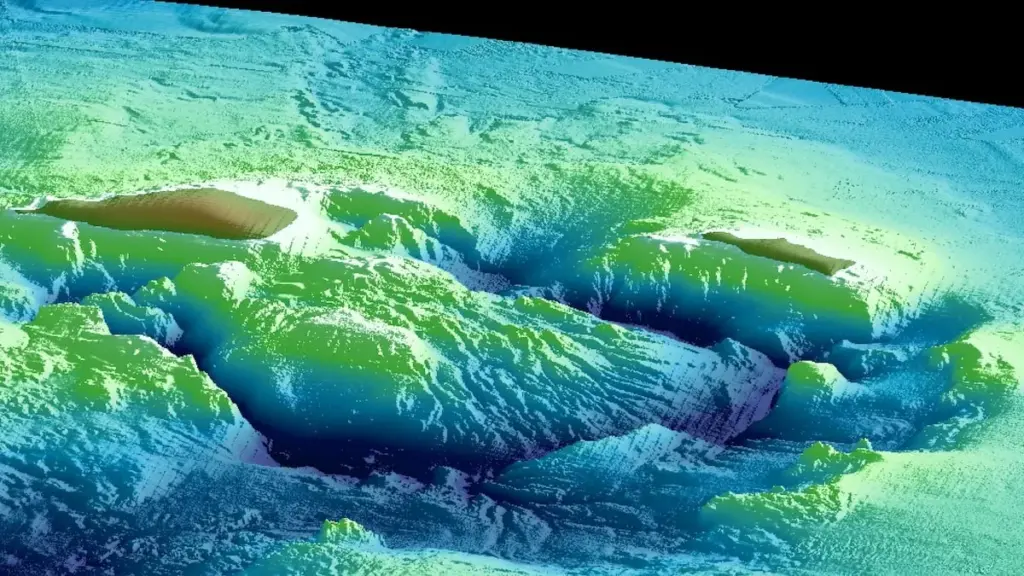
The Kikai Caldera, located off the coast of Japan’s Kyushu island, has a rich history marked by its massive Akahoya eruption approximately 7,300 years ago. This eruption is noted for ejecting around 160 cubic kilometers (38 cubic miles) of material, significantly impacting the region and its inhabitants, particularly the Jōmon people who lived there during that time.
Currently, the Kikai Caldera is slowly refilling with magma, a process that scientists believe may provide insights into future eruptions. Seama Nobukazu, a volcanologist, emphasizes the importance of understanding how large quantities of magma accumulate, stating, “We must understand how such large quantities of magma can accumulate to understand how giant caldera eruptions occur.” This ongoing research could be crucial for predicting volcanic activity in the future.
Meanwhile, in New Zealand, Whakaari/White Island remains a focal point of volcanic activity. The island erupted on December 9, 2019, leading to a tragic loss of 22 lives and leaving many others injured. Since 1975, this volcano has been an active part of the Ring of Fire, and its history of eruptions continues to draw attention from scientists and the public alike.
In Hawaii, Kilauea has also made headlines with its recent eruption on April 9, 2026, which produced impressive lava fountains and prompted ashfall warnings. Kilauea is known for its frequent eruptions, having erupted dozens of times since 1952, with durations that can vary significantly.
During the recent eruption, Kilauea produced an astounding 3.6 million cubic yards of lava, showcasing the volcano’s power and unpredictability. Observers noted that large foam-like tephra, some as big as a football, may fall near the summit and several miles downwind, highlighting the potential hazards associated with such eruptions.
As these volcanoes continue to exhibit activity, scientists and local communities are closely monitoring the situation. The potential for future eruptions remains a concern, and officials are urging residents and visitors to stay informed and prepared. With the ongoing research into magma accumulation and eruption patterns, there is hope for better predictive measures in the future.